Showing posts with label ENTERTAINMENT. Show all posts

Lake Manyara National Park

Lake Manyara National Park 


  Lake Manyara National Park is very easy to access:

 it's about 90 minutes' drive from Arusha and barely an hour from the Ngorongoro Crater. Because of this, some of the northern side of the park can get very busy, especially in the afternoons. To see the park at its best, we recommend that you either stay within the park or spend two nights somewhere close, entering the park early for a full-day safari.

Safaris to Lake Manyara National Park

Many people will often visit Lake Manyara National Park enroute to or from the Crater, as part of a short half day safari. Often they won't even spend the night in the area, but will rush on, so as to include as many areas, in as short a space of time as possible.

Though this can save on money, we feel that it restricts time and therefore only allows for visits to the busy northern quarter of the park. This can result in a rushed experience of Lake Manyara that can sometimes result in disappointment.

Instead we would recommend the following two options for visiting Lake Manyara National Park. The first is to stay within the park itself, either in a permanent camp or a more mobile one. This tends to be the more expensive choice, but it is certainly the best way to explore the park. It enables you to be on safari before most others, and explore deeper into the park which day visitors won't have the time to do. Without any doubt, staying inside the park is the best wildlife experience.

Secondly you can opt to stay somewhere outside, but near to the park gate. From here you can enter the park early and enjoy the whole day exploring. There are some economical accommodation options outside the park, some of which are dotted along the top of the Rift Valley Escarpment with great views down across the park

Entrances to the National Park

There are two main entrances to Lake Manyara National Park, a gate in the north and in the south. Almost everybody uses the northern gate, since the majority of accommodation options are situated here and as a result the northern part of the park is by far the busier one. The gate in the far south is not commonly used and also has restricted access. Only few camps and lodges can use this entrance. Please contact us for more information on camps that can enter via this quiet gate.

Flora & Fauna of Lake Manyara

Covering about 330km², of which typically two-thirds is underwater, Lake Manyara National Park is a small park by African standards. However, it's also very beautiful and contains tremendous diversity of habitats, animals and especially birds.

Animals

Image result for wildebeest
Lake Manyara's game includes good numbers of elephant, buffalo and wildebeest along with plenty of giraffe. Also prolific in number are zebra, waterbuck, warthog and impala. You may need to search a little harder for the small and relatively shy Kirk's dik-dik, and klipspringer on the slopes of the escarpment. The broken forests and escarpment make it good country for leopard, whilst Manyara's healthy lion population are famous for their tree-climbing antics. (Whilst unusual, this isn't as unique to the park as is often claimed.) Immediately obvious to most visitors are the huge troops of baboons – which often number several hundred and are widely regarded as Africa's largest.

Birds


As with the habitats, the birdlife here is exceptionally varied. In the middle of the lake you'll often see flocks of pelicans and the pink-shading of distant flamingos, whilst the margins and floodplains feed innumerable herons, egrets, stilts, stalks, spoonbills and other waders. With so much water around, the woodlands are equally productive, but it's the evergreen forests where you'll spot some more entertaining species such as the noisy silvery-cheeked hornbills, crowned eagles and crested guinea fowl.

Vegetation

Set beneath the spectacular backdrop of the Great Rift Valley's steep western escarpment, this long, narrow park protects an area between the escarpment and Lake Manyara. The parks namesake is a shallow, alkaline lake which expands and contracts with the seasons within a long, silvery bowl of salt deposits. Adjacent to it are wide, grassy floodplains and, further away, bands of mixed acacia woodlands. Further still, next to the escarpment, are patches of enchanting evergreen forests, which are sustained by perennial groundwater springs issuing from the base of the escarpment.

CELINE DION BIOGRAPHY...


CELINE DION   BIOGRAPHY

Think Twice', 'My Heart Will Go On', an Oscar for the 'Beauty and The Beast' title song. The French Canadian diva is a worldwide hit and she wed the man who discovered her.


Born the youngest of 14 children in rural Canada, Celine Dion came from an extremely musical family. Her parents were both musicians and ran a small club nearby, where the whole Dion family would gather at weekends to perform for the local community.
Dion began singing on stage at the age of five, and by the time she was twelve had written a song in French that would attract the attention of personal manager Rene Angelil, later to become her husband.

Angelil was so convinced of Dio's potential that he re-mortgaged his own house to fund her debut album. By 1983, she had become the first Canadian to receive a gold record in France and in 1984 she added to her already impressive list of achievements a performance for the late Pope John Paul II when he visited Quebec.

In 1988, Dion, already a superstar in her native Quebec, won the Eurovision Song Contest in Dublin and shortly after cemented her international success by releasing the soundtrack to the Disney film Beauty and the Beast. This achievement earned her a number one single, an Oscar and a Grammy.

Her hit album The Colour of My Love and the single from it Think Twice topped their respective charts for five weeks running, the first time this had happened since the Beatles managed it in 1965.

Dion's most famous track My Heart Will Go On from the motion picture Titanic featured both on the album Titanic and Let's Talk About Love, both albums selling twenty-seven million copies each.
In 1999, she decided to take a break from show business to concentrate on her family, and baby Rene-Charles was born in 2001.

2002 saw the return of Celine Dion to the limelight with her album A New Day Has Come. The following year, the singer committed herself to performing five nights a week for the next three years in her own Las Vegas show. The 90-minute extravaganza was held at the Colosseum at Caesar's Palace in a 4,000-seat arena designed especially for her show.

Five consecutive years of sell-out shows followed and after the gig came to an end, she embarked on a year-long tour of the world in 2008-2009. Dion visited 25 countries across five continents and played for millions of fans.
After taking a backseat for a while, family called once more and the star with roots in Charlemagne, a small town near Montreal, started looking into increasing her brood. She became pregnant with her second child, but misfortune struck in 2009 when she suffered a miscarriage.
In February 2010 the star revealed that she had been trying to get pregnant through in vitro fertilisation (IVF). However, the effort did not yield immediate results as Dion underwent four different fertility treatments before a fifth round of IVF finally brought her the outcome she had been looking for.
Twins Eddy and Nelson, named after record producer and family friend Eddy Marnay and former South Africa president Nelson Mandela, were born in 2010. However, their arrival was not without tragedy for the songstress and her husband after they revealed that they had initially been preparing for three. She lost one baby in the early stages of her pregnancy when its heart stopped beating.

Six weeks after they were born, the twins were revealed to the world in December 2010 when they appeared on the cover of Hello! Canada with their mother. In February 2011, Dion and her family arrived in Las Vegas ahead of her return to the Colosseum in Caesars Palace, where a three-year residency for seventy shows a year, beginning on 15 March 2011, was due to begin.
Dion also achieved a new milestone when she performed at the 83rd Academy Awards, a record sixth time she was gracing the stage at the high profile event.

Mount Kilimanjaro National Park

Kilimanjaro National Park poster


Mount Kilimanjaro National Park

Kilimanjaro. The name itself is a mystery wreathed in clouds. It might mean Mountain of Light, Mountain of Greatness or Mountain of Caravans. Or it might not. The local people, the Wachagga, don't even have a name for the whole massif, only Kipoo (now known as Kibo) for the familiar snowy peak that stands imperious, overseer of the continent, the summit of Africa.
Kilimanjaro, by any name, is a metaphor for the compelling beauty of East Africa. When you see it, you understand why. Not only is this the highest peak on the African continent; it is also the tallest free-standing mountain in the world, rising in breathtaking isolation from the surrounding coastal scrubland – elevation around 900 metres – to an imperious 5,895 metres (19,336 feet).
Kilimanjaro is one of the world's most accessible high summits, a beacon for visitors from around the world. Most climbers reach the crater rim with little more than a walking stick, proper clothing and determination. And those who reach Uhuru Point, the actual summit, or Gillman's Point on the lip of the crater, will have earned their climbing certificates.
And their memories.
But there is so much more to Kili than her summit. The ascent of the slopes is a virtual climatic world tour, from the tropics to the Arctic.
Even before you cross the national park boundary (at the 2,700m contour), the cultivated footslopes give way to lush montane forest, inhabited by elusive elephant, leopard, buffalo, the endangered Abbot’s duiker, and other small antelope and primates. Higher still lies the moorland zone, where a cover of giant heather is studded with otherworldly giant lobelias.
Above 4,000m, a surreal alpine desert supports little life other than a few hardy mosses and lichen. Then, finally, the last vestigial vegetation gives way to a winter wonderland of ice and snow – and the magnificent beauty of the roof of the continent.
About Kilimanjaro National Park
Size: 1668 sq km 641 sq miles).
Location: Northern Tanzania, near the town of Moshi.
Getting there
128 km (80 miles) from Arusha.
About one hour’s drive from Kilimanjaro airport.
What to do
Six usual trekking routes to the summit and other more-demanding mountaineering routes.
Day or overnight hikes on the Shira plateau. Nature trails on the lower reaches.
Trout fishing.
Visit the beautiful Chala crater lake on the mountain’s southeastern slopes.
When to go
Clearest and warmest conditions from December to February, but also dry (and colder) from July-September.
Accommodation
Huts and campsites on the mountain.
Several hotels and campsites outside the park in the village of Marangu and town of Moshi.
More info on accomodation

NOTE:
Climb slowly to increase your acclimatisation time and maximise your chances of reaching the summit.
To avoid altitude sickness, allow a minimum of five nights, preferably even more for the climb. Take your time and enjoy the beauty of the mountain.

NOTE 2:
NEW RATES FOR PORTERS AND GUIDES
(JUNE '08)

Porters
USD 10 per day
Cooks
USD 15 per day
Guides
USD 20 per day

TOURISM IN TANZANIA--- Ngorongoro Photos

Ngorongoro Photos

Photos, images & pictures of Ngorongoro Crater

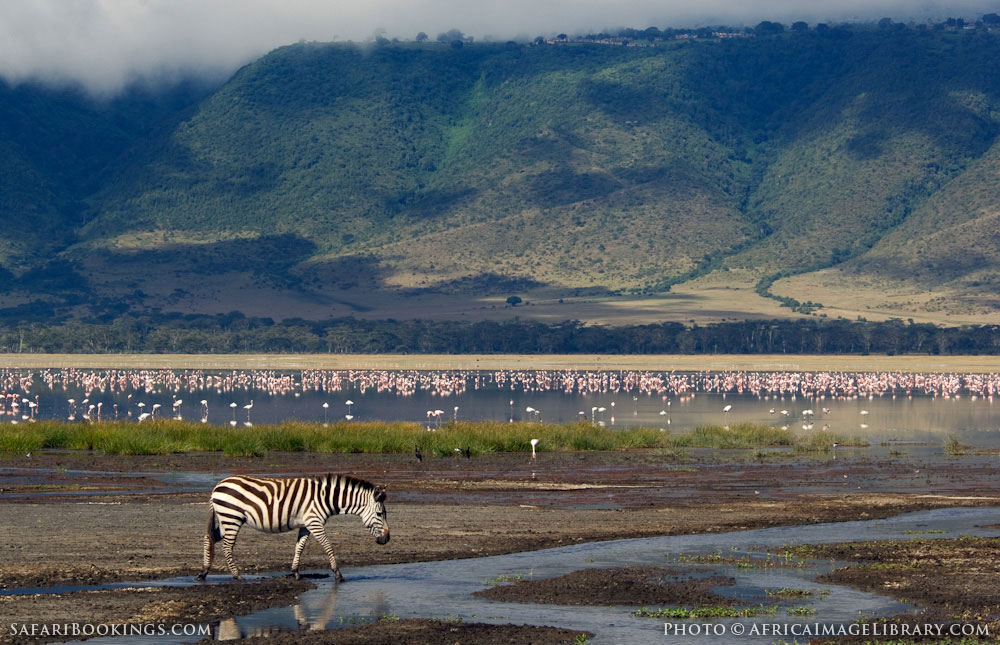
Zebra and flamingos drinking in the crater in Ngorongoro Conservation Area, Tanzania
Zebra and flamingos drinking in the crater in Ngorongoro Conservation Area
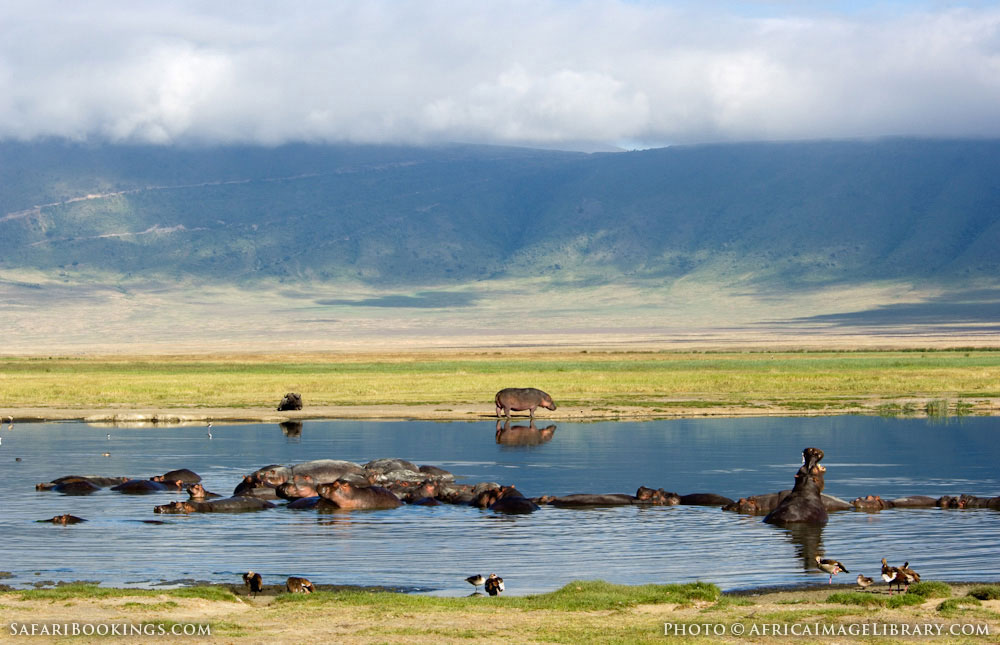
Hippopotamus in the water in Ngorongoro Conservation Area, Tanzania
Hippopotamus in the water in Ngorongoro Conservation Area
Heroes point, view from Ngorongoro crater rim to the crater floor in Ngorongoro Conservation Area, Tanzania
Heroes point, view from Ngorongoro crater rim to the crater floor in Ngorongoro Conservation Area
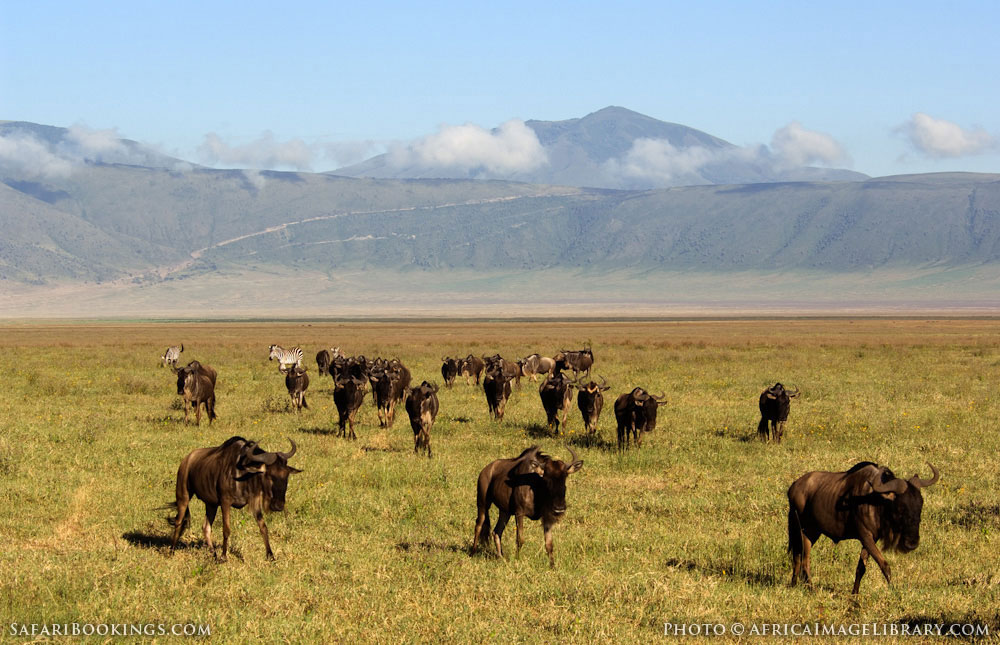
Blue wildebeest cross the field in Ngorongoro Conservation Area, Tanzania
Blue wildebeest cross the field in Ngorongoro Conservation Area
Lion stretching in Ngorongoro Conservation Area, Tanzania
Lion stretching in Ngorongoro Conservation Area
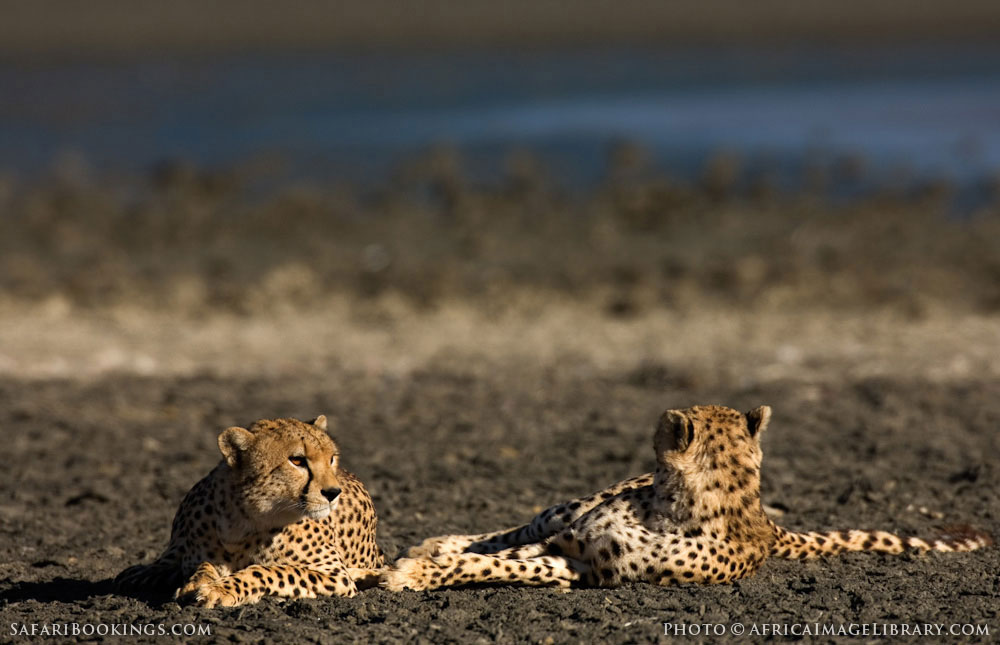
Cheetahs resting in Ngorongoro Conservation Area, Tanzania
Cheetahs resting in Ngorongoro Conservation Area
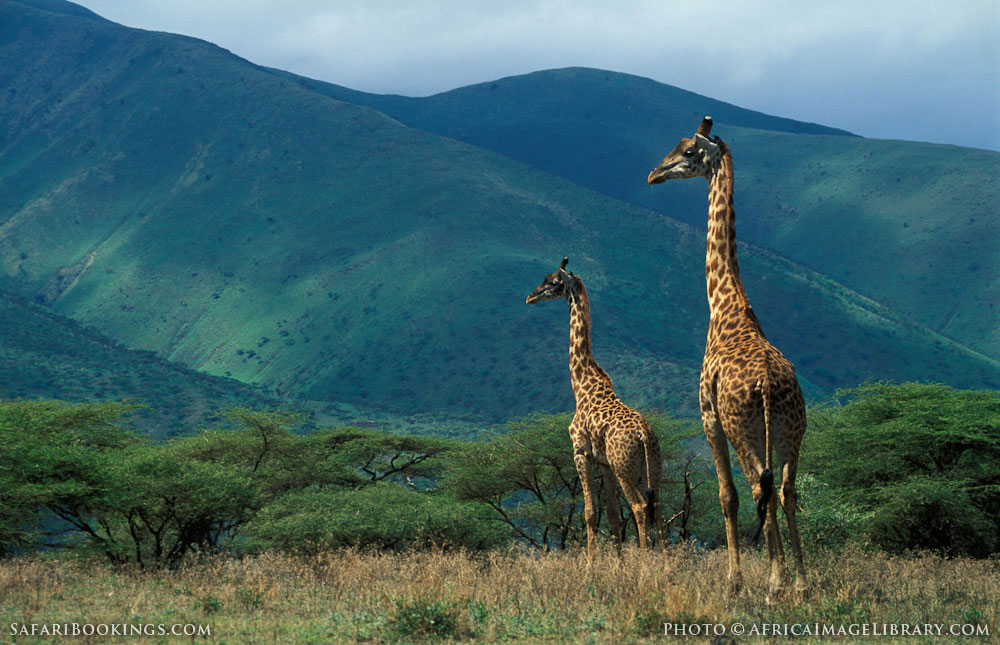
Two Masai giraffe in front of mountains in Ngorongoro Conservation Area, Tanzania
Two Masai giraffe in front of mountains in Ngorongoro Conservation Area
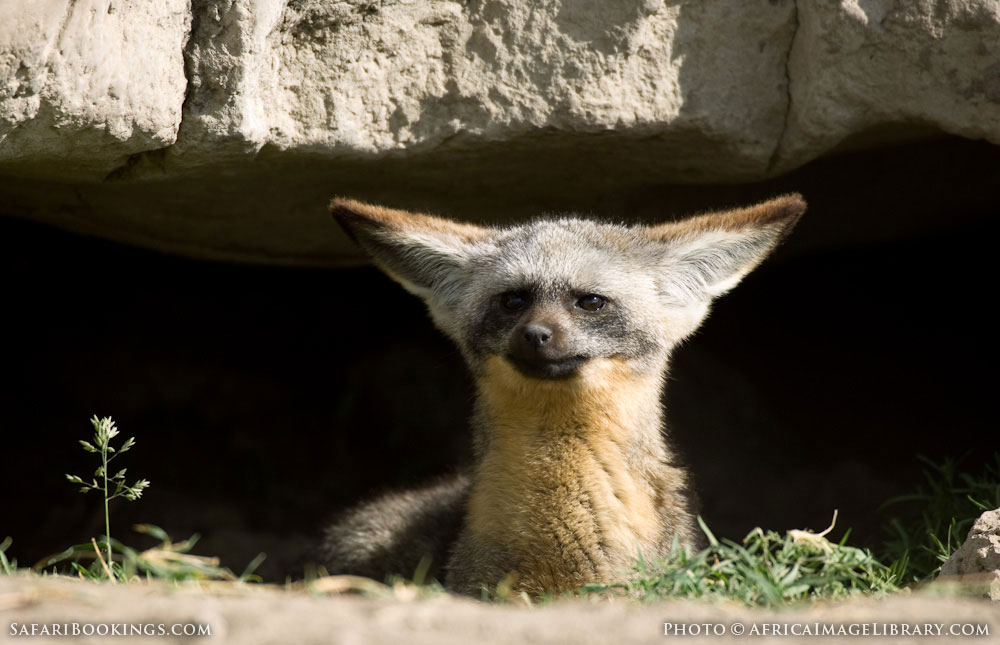
Bat-eared fox at den in Ngorongoro Conservation Area, Tanzania
Bat-eared fox at den in Ngorongoro Conservation Area
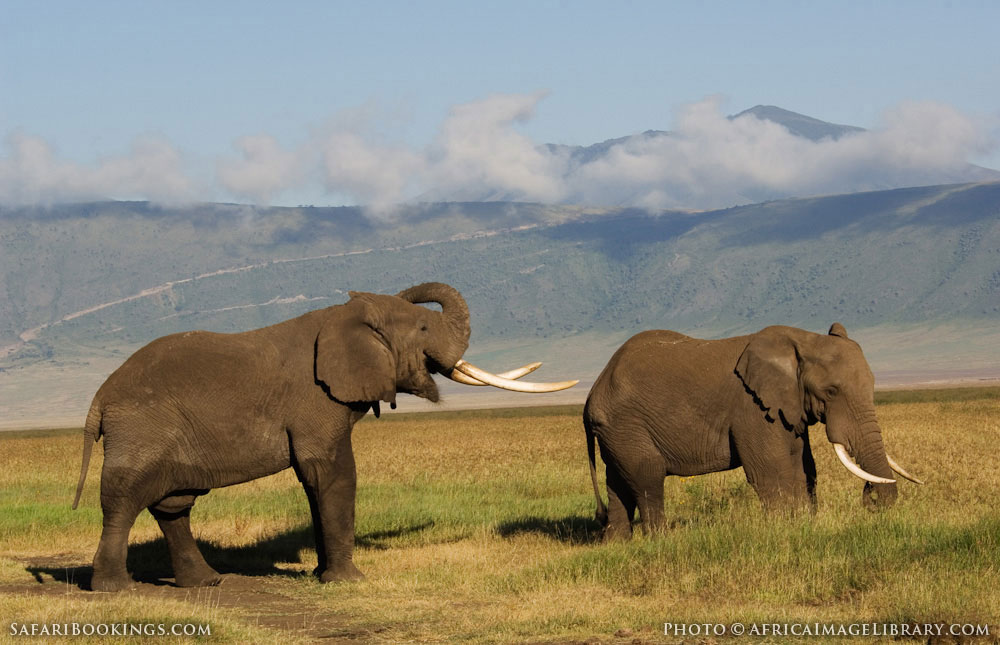
Elephants communicating in Ngorongoro Conservation Area, Tanzania
Elephants communicating in Ngorongoro Conservation Area
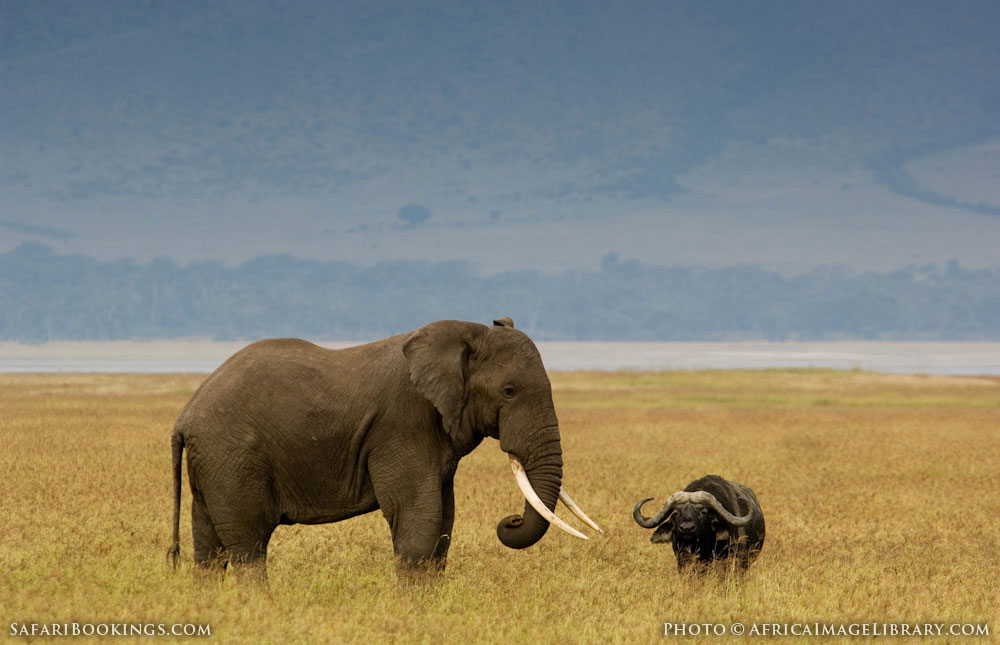
Elephant together with a buffalo in Ngorongoro Conservation Area, Tanzania
Elephant together with a buffalo in Ngorongoro Conservation Area
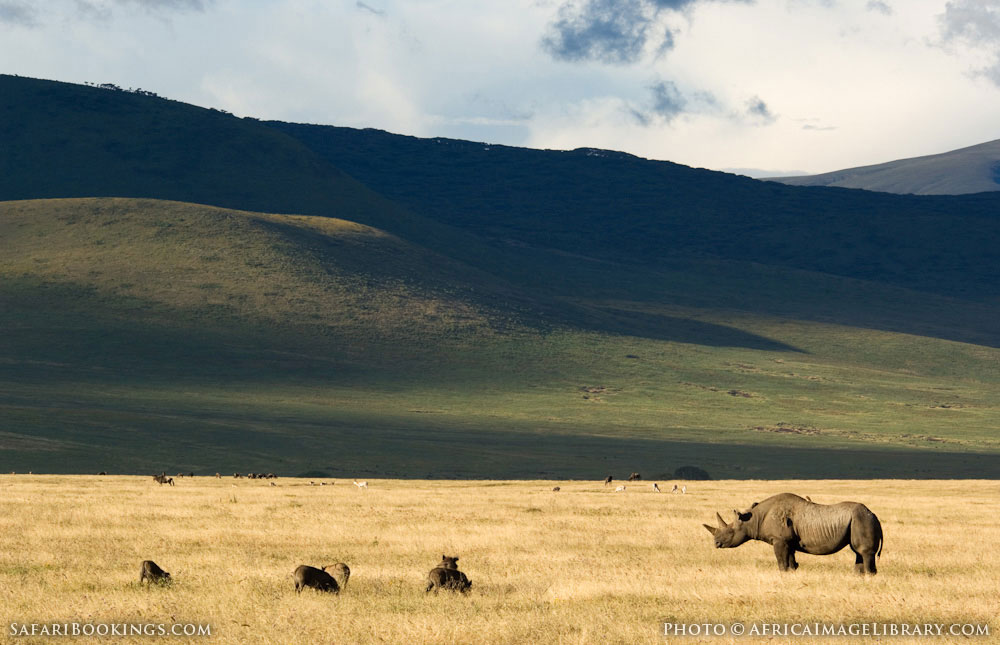
Black rhino with warthogs in Ngorongoro Conservation Area, Tanzania
Black rhino with warthogs in Ngorongoro Conservation Area
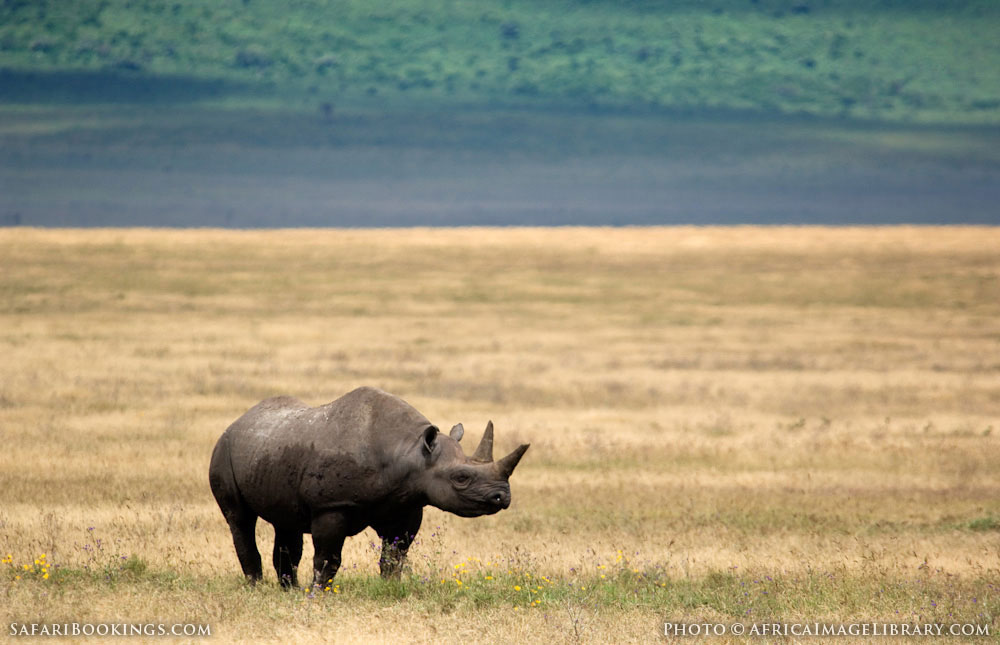
Black rhinoceros standing alone in Ngorongoro Conservation Area, Tanzania
Black rhinoceros standing alone in Ngorongoro Conservation Area
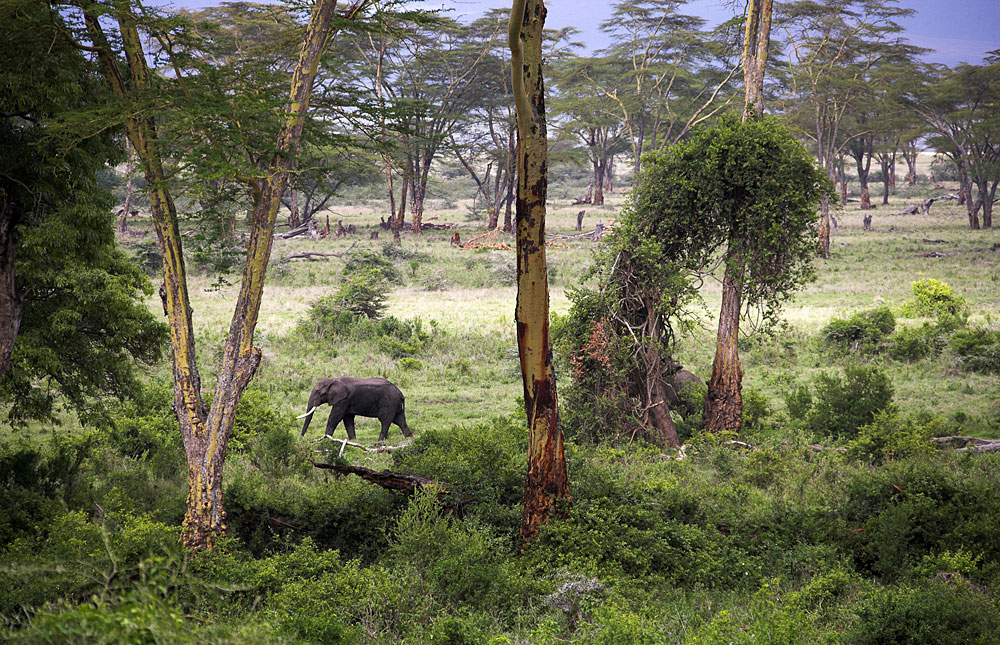
Elephant in a forested area in Ngorongoro Conservation Area, Tanzania
Elephant in a forested area in Ngorongoro Conservation Area
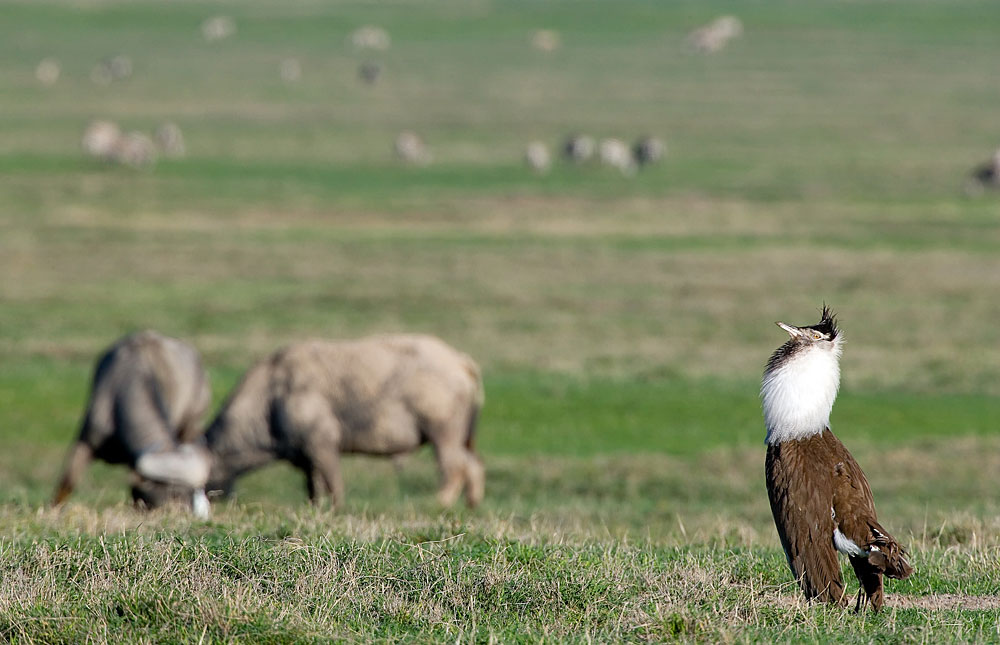
Kori Bustard in a field of wildlife in Ngorongoro Conservation Area, Tanzania
Kori Bustard in a field of wildlife in Ngorongoro Conservation Area
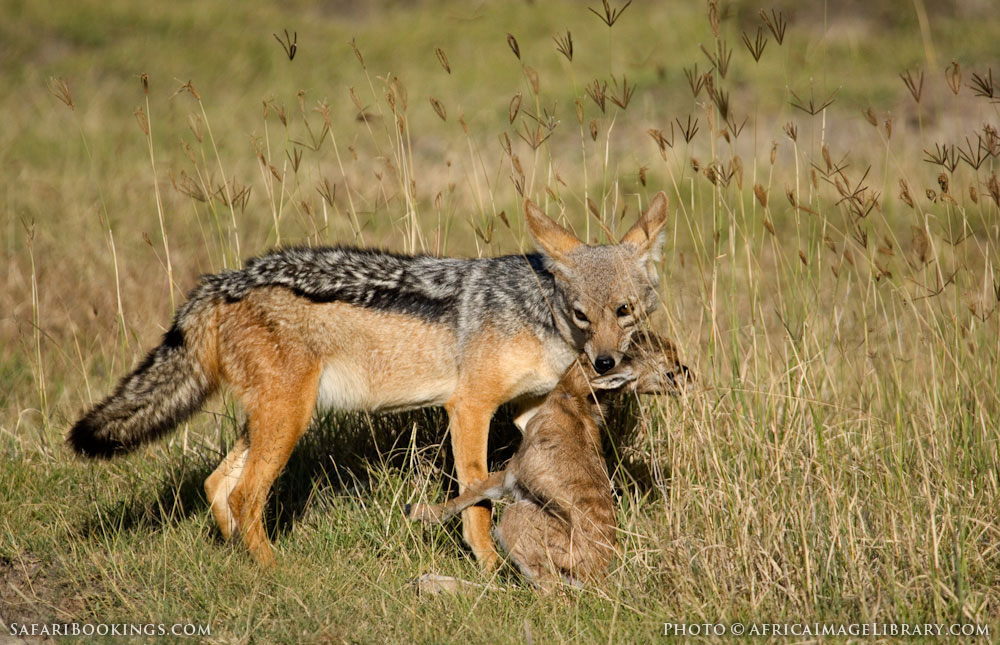
Black-backed jackal with a Thomson's gazelle kill in Ngorongoro Conservation Area, Tanzania
Black-backed jackal with a Thomson's gazelle kill in Ngorongoro Conservation Area
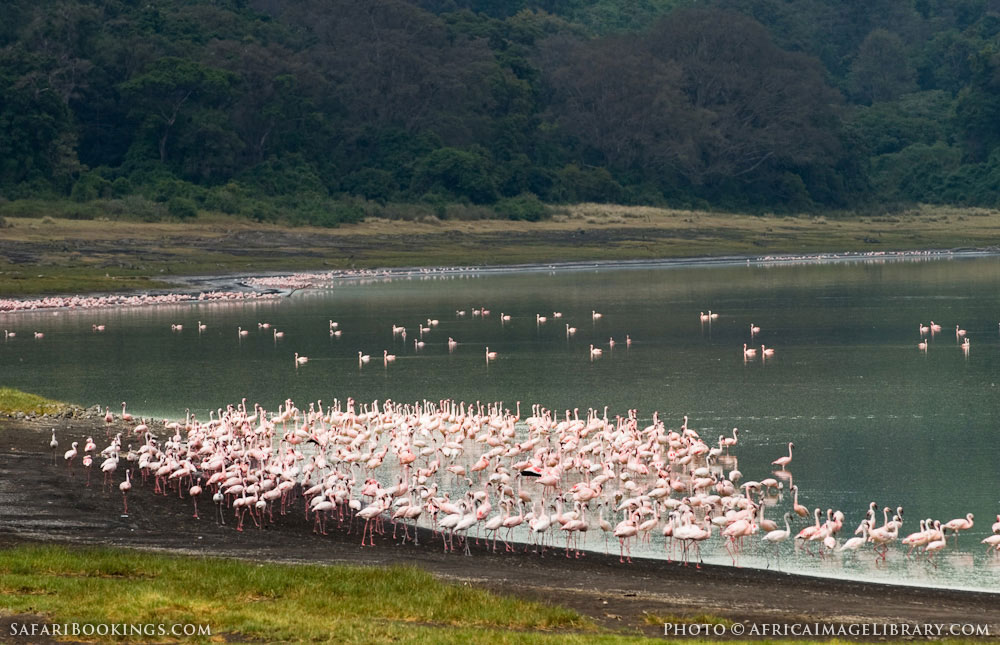
Flamingos in Empekaai Crater in Ngorongoro Conservation Area, Tanzania
Flamingos in Empekaai Crater in Ngorongoro Conservation Area
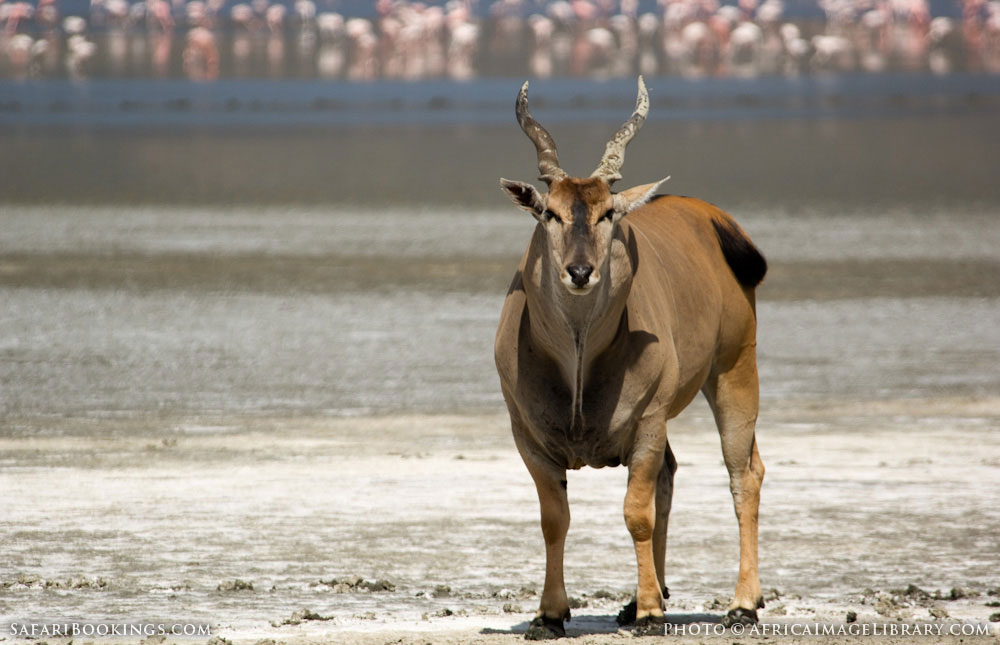
Common eland looking at camera in Ngorongoro Conservation Area, Tanzania
Common eland looking at camera in Ngorongoro Conservation Area
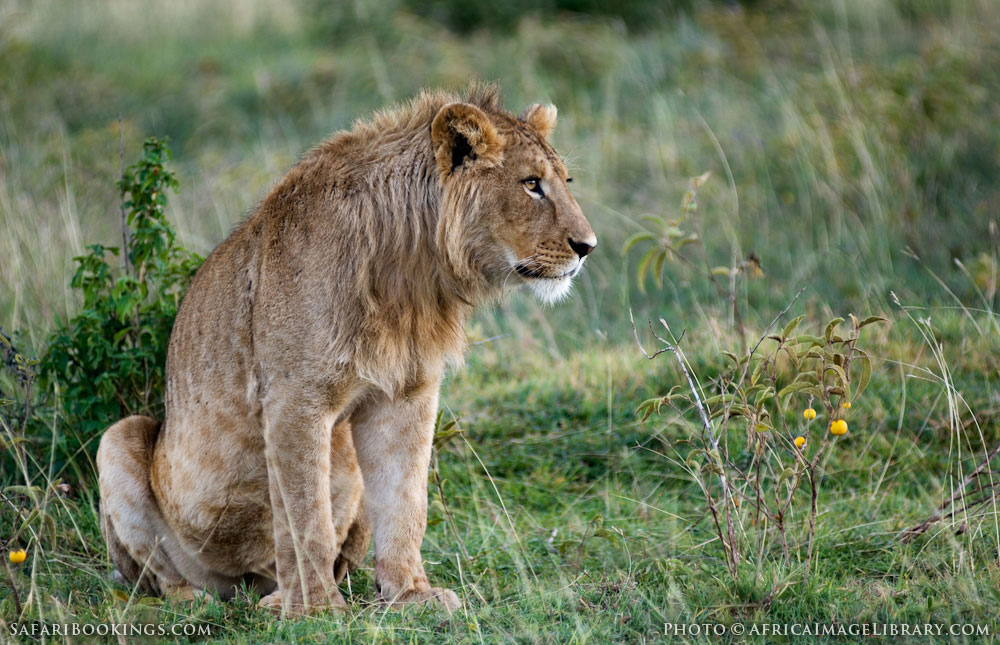
Male lion sitting in Ngorongoro Conservation Area, Tanzania
Male lion sitting in Ngorongoro Conservation Area
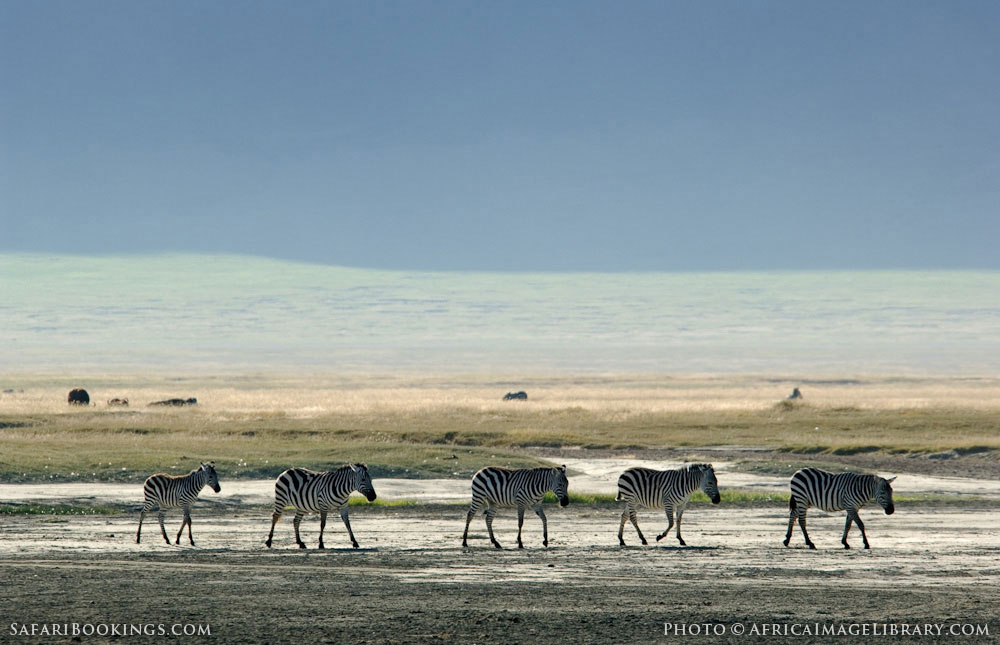
Zebra in a line in Ngorongoro Conservation Area, Tanzania
Zebra in a line in Ngorongoro Conservation Area
Empekaai Crater in Ngorongoro Conservation Area, Tanzania
Empekaai Crater in Ngorongoro Conservation Area
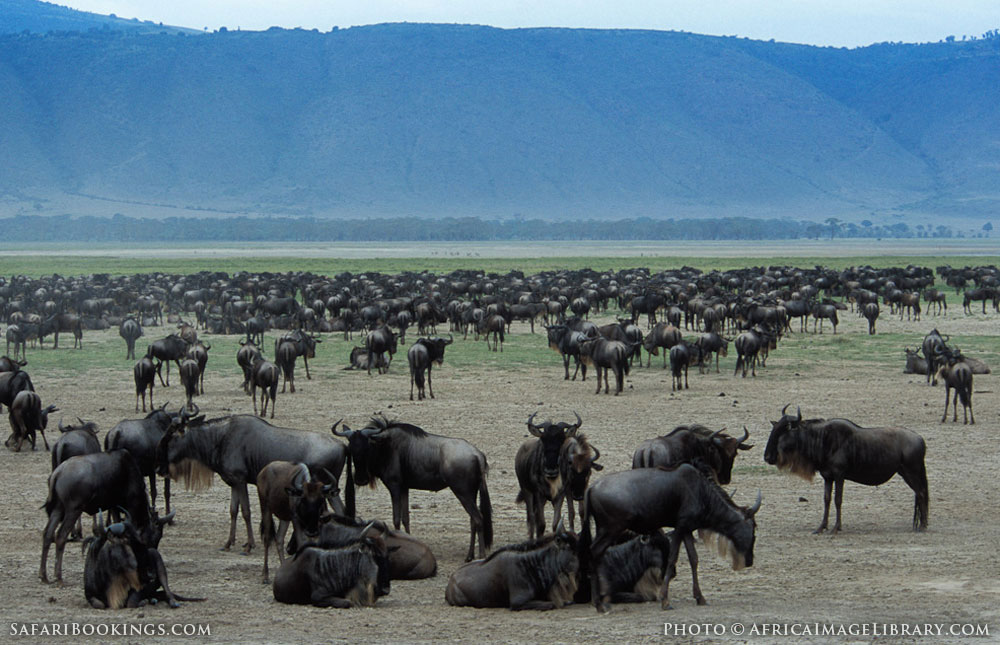
Blue wildebeest migrating through the crater in Ngorongoro Conservation Area, Tanzania
Blue wildebeest migrating through the crater in Ngorongoro Conservation Area
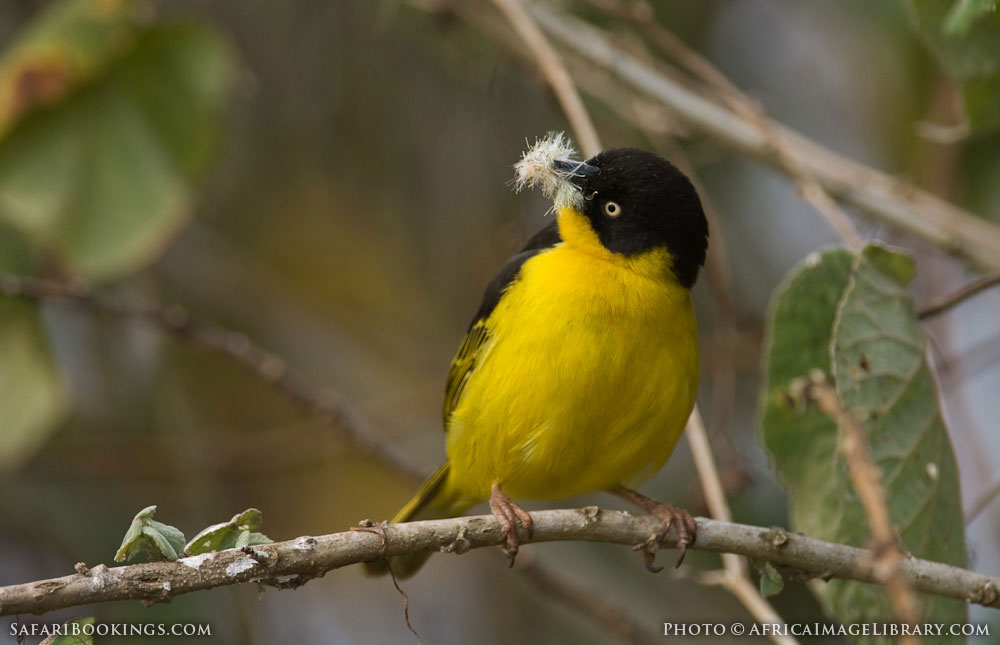
Baglafecht weaver with nest-making material in Ngorongoro Conservation Area, Tanzania
Baglafecht weaver with nest-making material in Ngorongoro Conservation Area
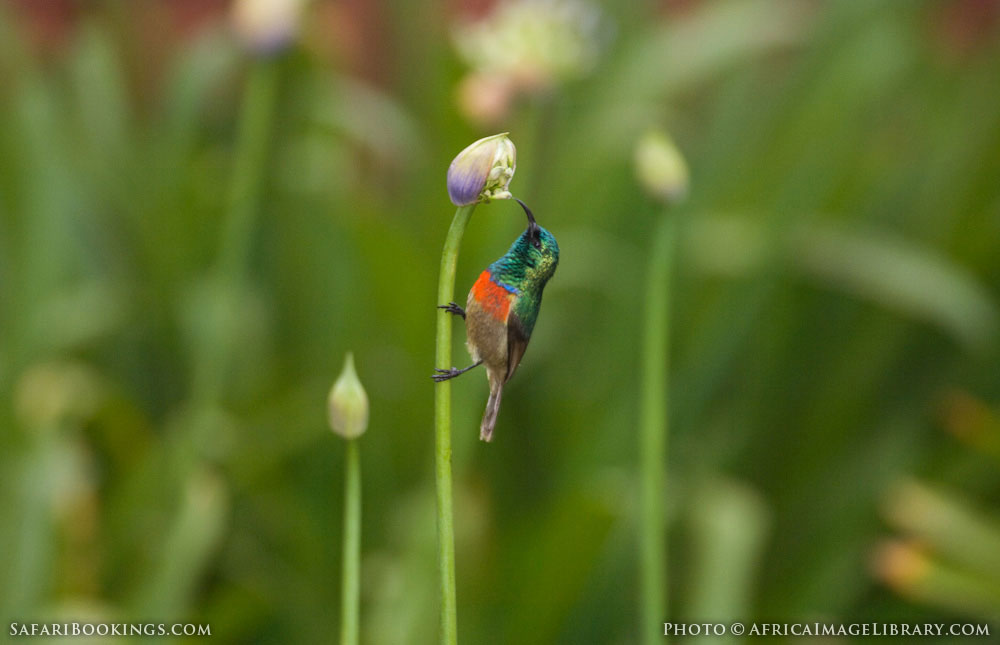
Eastern double-collared sunbird on a flower in Ngorongoro Conservation Area, Tanzania
Eastern double-collared sunbird on a flower in Ngorongoro Conservation Area
Muddy African buffalo in Ngorongoro Conservation Area, Tanzania
Muddy African buffalo in Ngorongoro Conservation Area
Blue wildebeest in the Embulbuk depression in Ngorongoro Conservation Area, Tanzania
Blue wildebeest in the Embulbuk depression in Ngorongoro Conservation Area

TOURISM IN TANZANIA-NGORONGORO CRATER...


Ngorongoro Crater

Zebra and flamingos drinking in the crater in Ngorongoro Conservation Area, Tanzania
The Ngorongoro Crater is a breathtakingly beautiful setting and the best place in Tanzania to see the Big Five.  However, as one of the world's most astonishing and renowned natural wonders, the Ngorongoro Crater does get busy, and at times very busy.  Due to the crowds we recommend a two-night stay only here, then moving on to the Serengeti for a quieter, more private safari experience.  
Any Northern Tanzania Safari should ideally include a visit to Ngorongoro Crater: it is one of the most beautiful natural wildlife safari sites in the world and an exceptional place to interact with people from the Maasai tribe.

The Ngorongoro Crater and surrounding highlands together form one of Africa's most beautiful regions.  Volcanic craters form stunning backdrops to some of the most fertile and richest grazing grounds in Africa.  The most famous such crater is without question Ngorongoro, the world’s largest intact volcanic caldera and home to the highest density of big game in Africa, including all the big five and plenty of predators. Ngorongoro is justifiably one of the continent's most famous safari destinations. 

The choice is whether to stay at a hotel on the Crater rim for the phenomenal view, or a little way away from the Crater in nearby Karatu.  The advantages of Karatu include the comparative lack of crowds, and better-value, smaller and more intimate lodges which offer a range of activities such as walking and mountain biking.

Ngorongoro Crater: the game


Hippopotamus in the water in Ngorongoro Conservation Area, Tanzania
The Ngorongoro Crater is the best place in Tanzania to see 'The Big Five'.  A healthy population of black rhino and some of the largest tusker elephants left in Africa today are the prize spots, but the crater is also home to good populations of lion, leopard and hyena along with healthy herds of wildebeest, buffalo and zebra.  Other wildlife here includes serval cat, cheetah, jackal, Grant's and Thompson's gazelle, flamingo and bat-eared foxes, as well as approximately 400 species of bird.

Ngorongoro Crater: the activities

Two Masai giraffe in front of mountains in Ngorongoro Conservation Area, Tanzania
Activities inside the Ngorongoro Crater itself are limited to game driving; there are a couple of picnic spots in the park, but getting out of the vehicle is strictly limited to these areas.  However, a full range of activities is on offer in the wider Ngorongoro Conservation Area, including walking, trekking, excursions to Olduvai Gorge and visiting the Masai and other tribes.

Ngorongoro Crater: when to go

Elephants communicating in Ngorongoro Conservation Area, Tanzania
Since the wildlife mainly stays in the crater all year round, there is really no good or bad time to visit.  However given that the crater floor does get busy with vehicles, it can be more pleasant to visit during low season.  Higher water levels in Lake Magadi (in the centre of the Crater) also result in higher concentrations of flamingos.  Whenever you visit to Ngorongoro, you are guaranteed excellent safari action.

  Show me more >


While we try and make our website as comprehensive as possible, if you would like some more background information on the Ngorongoro Conservation Area, or Tanzania in general, have a read through the Cadogan Guide to Tanzania and Zanzibar, written by our director Annabel. The most recent edition was published in 2005 so some of it might be slightly dated but generally it’s as comprehensive as they come.

MOUNTAIN KILIMANJARO-THE MOUNTAIN OF AFRICA


MOUNTAIN KILIMANJARO-THE MOUNTAIN OF AFRICA


Pin It!

About Me