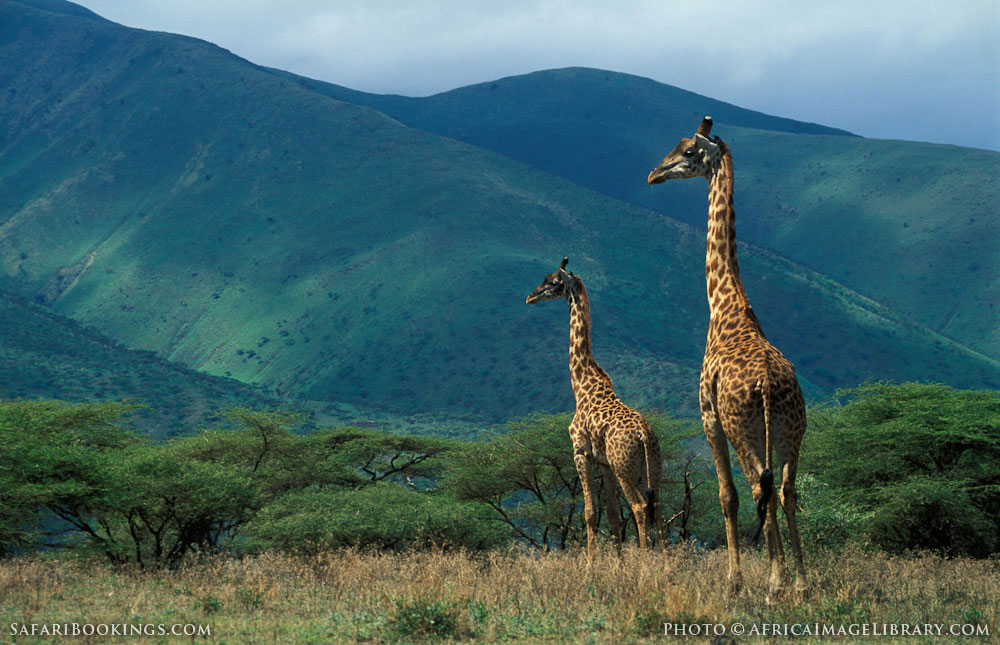
The Ngorongoro Crater is a breathtakingly beautiful setting and the best
place in Tanzania to see the Big Five. However, as one of the world's
most astonishing and renowned natural wonders, the Ngorongoro Crater
does get busy, and at times very busy. Due to the crowds we recommend
a two-night stay only here, then moving on to the Serengeti for a
quieter, more private safari experience.
Any Northern Tanzania Safari should
ideally include a visit to Ngorongoro Crater: it is one of the most
beautiful natural wildlife safari sites in the world and an exceptional
place to interact with people from the Maasai tribe.
The Ngorongoro Crater and surrounding highlands together form one of
Africa's most beautiful regions. Volcanic craters form stunning
backdrops to some of the most fertile and richest grazing grounds in
Africa. The most famous such crater is without question Ngorongoro, the
world’s largest intact volcanic caldera and home to the highest density
of big game in Africa, including all the big five and plenty of
predators. Ngorongoro is justifiably one of the continent's most famous
safari destinations.
The choice is whether to stay at a hotel on the Crater rim for the
phenomenal view, or a little way away from the Crater in nearby Karatu.
The advantages of Karatu include the comparative lack of crowds, and
better-value, smaller and more intimate lodges which offer a range of
activities such as walking and mountain biking.
Ngorongoro Crater: the game
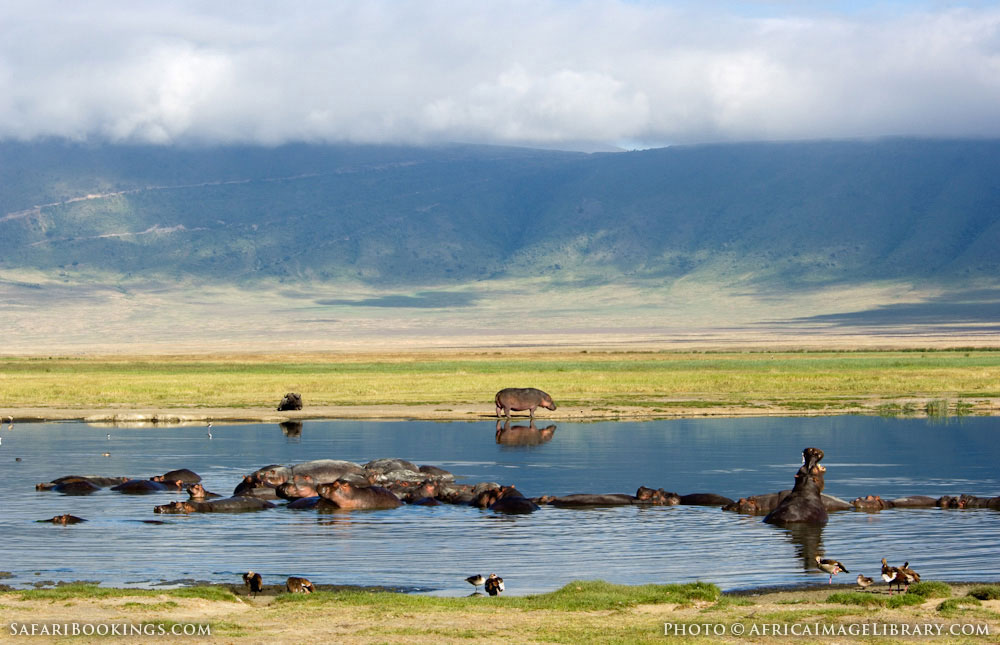
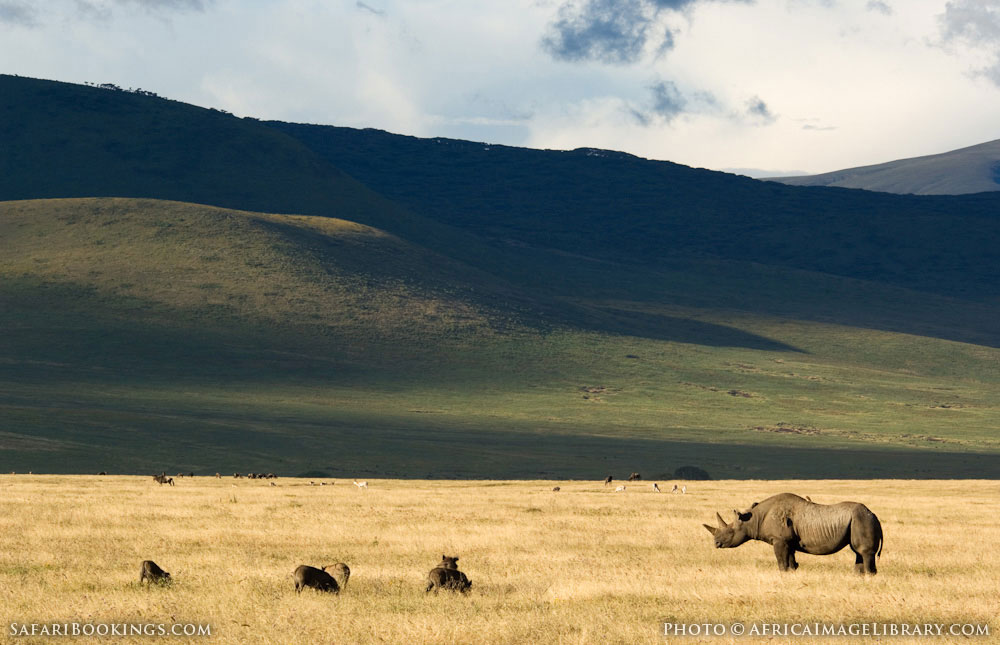
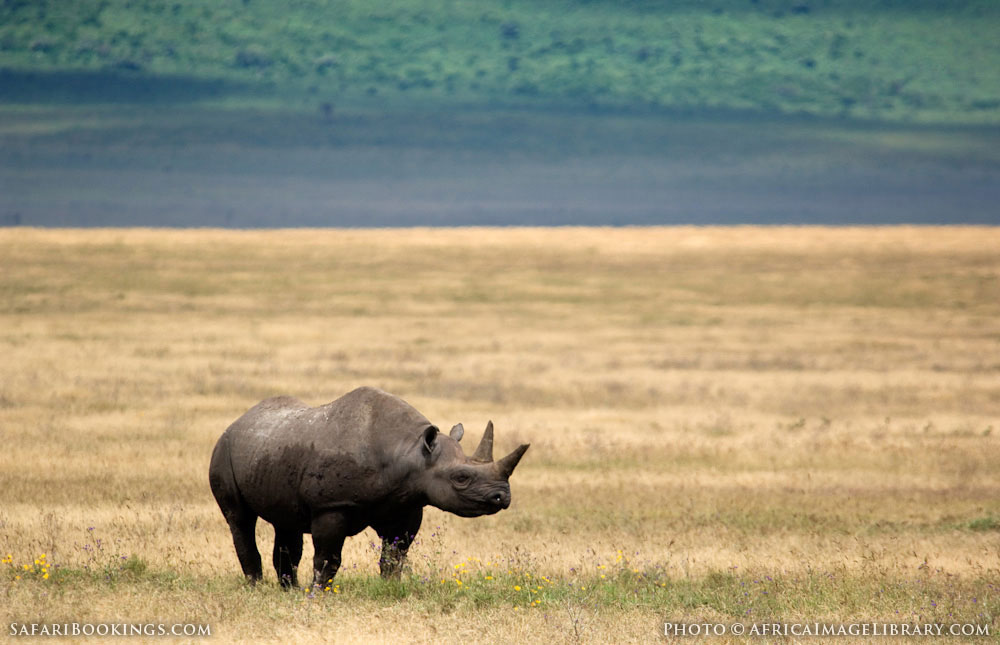
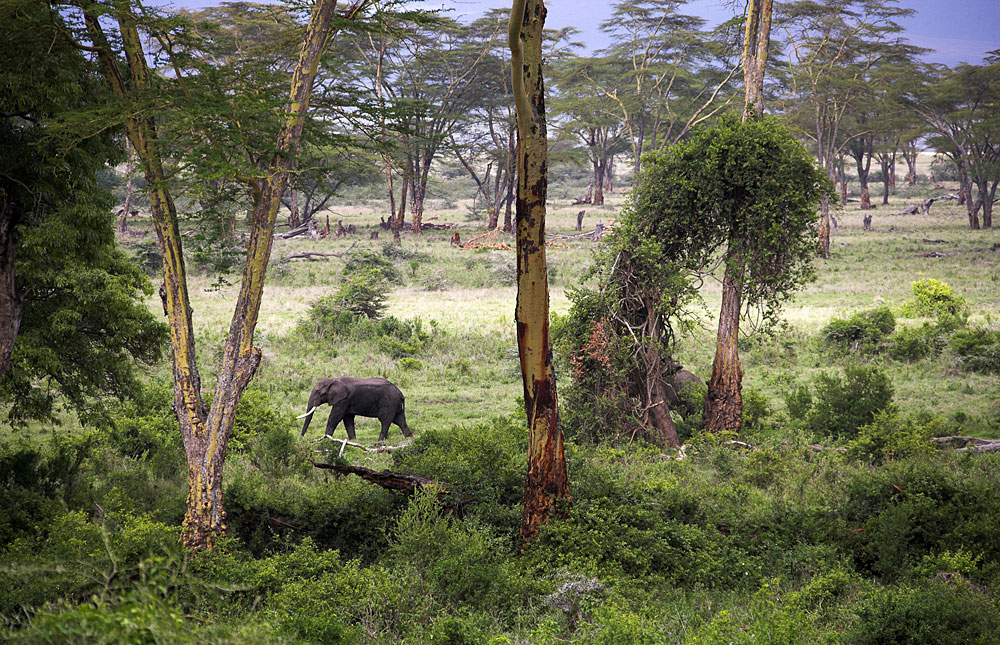
The Ngorongoro Crater is the best place in Tanzania to see 'The Big
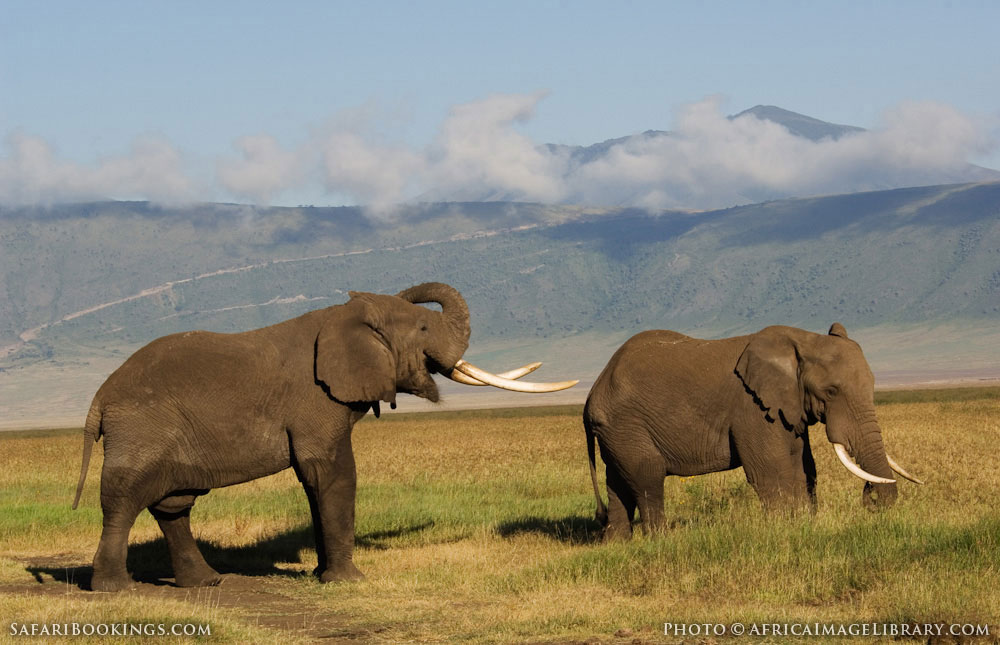
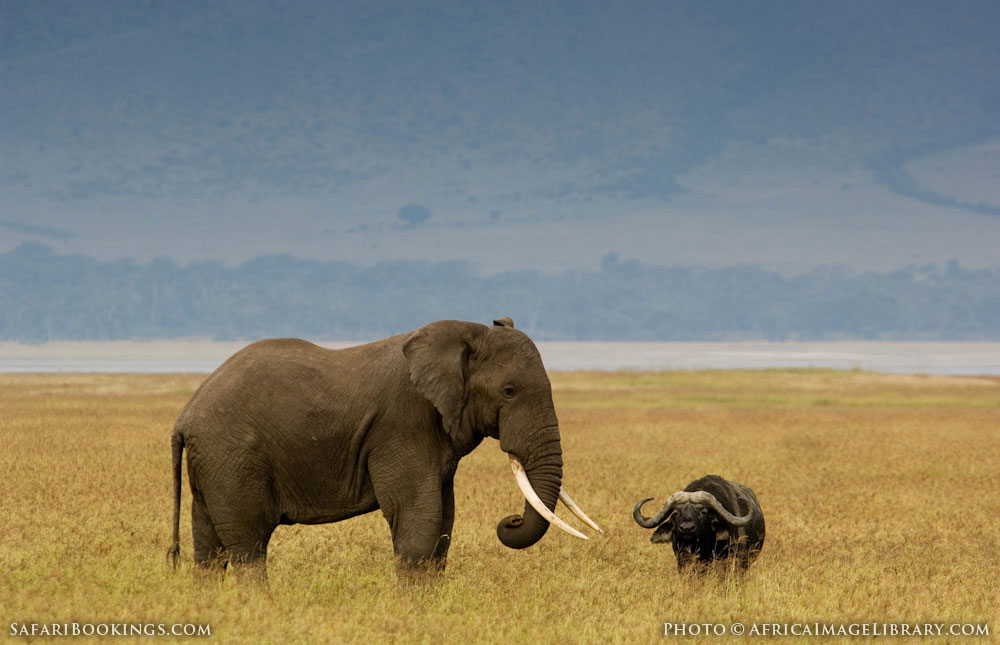
Five'. A healthy population of black rhino and some of the largest
tusker elephants left in Africa today are the prize spots, but the
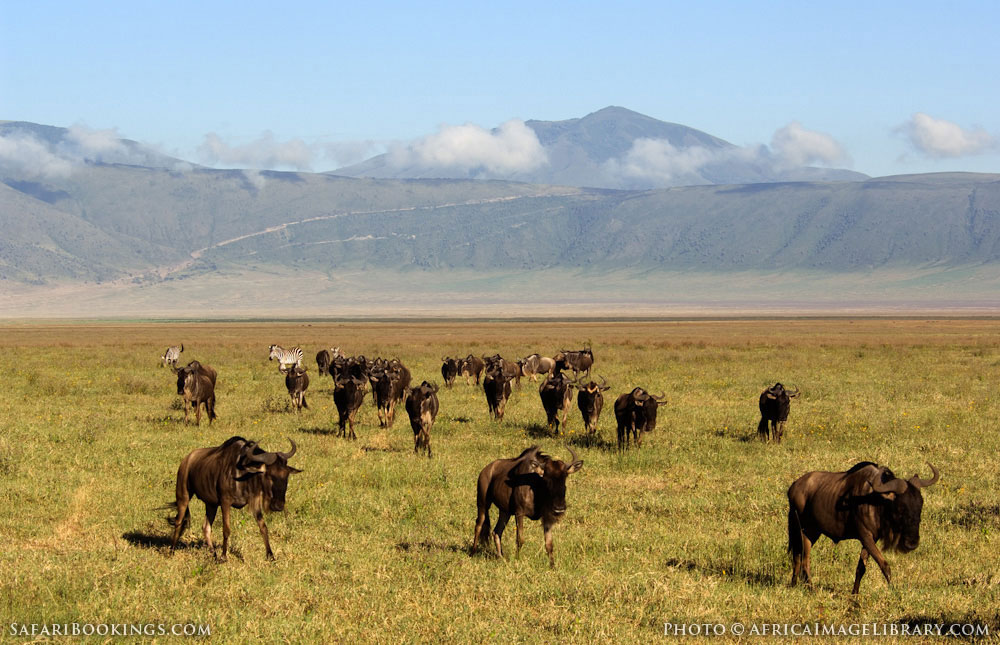
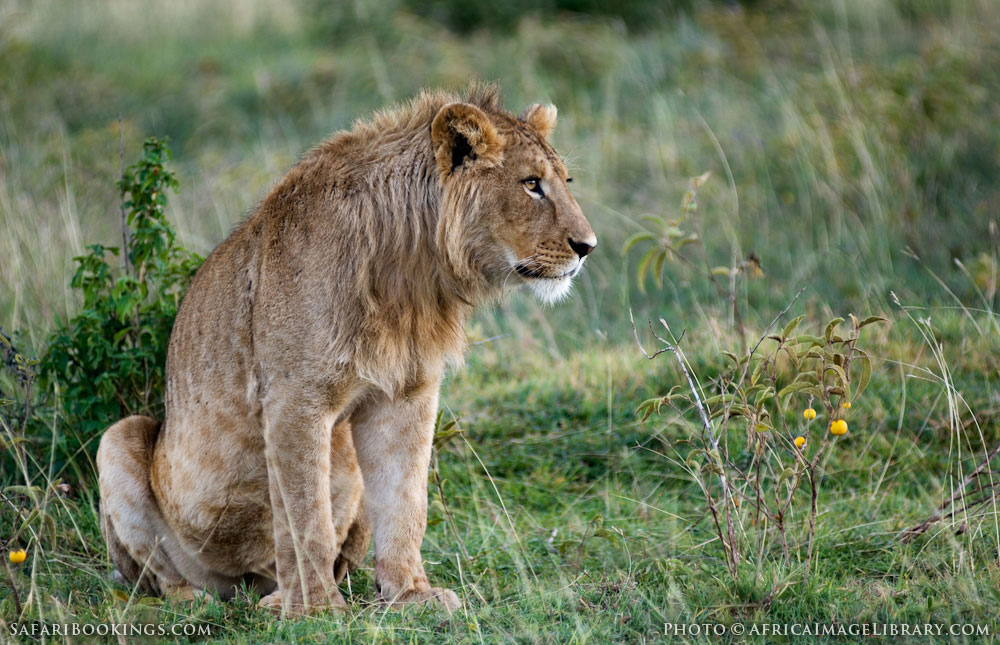
crater is also home to good populations of lion, leopard and hyena along
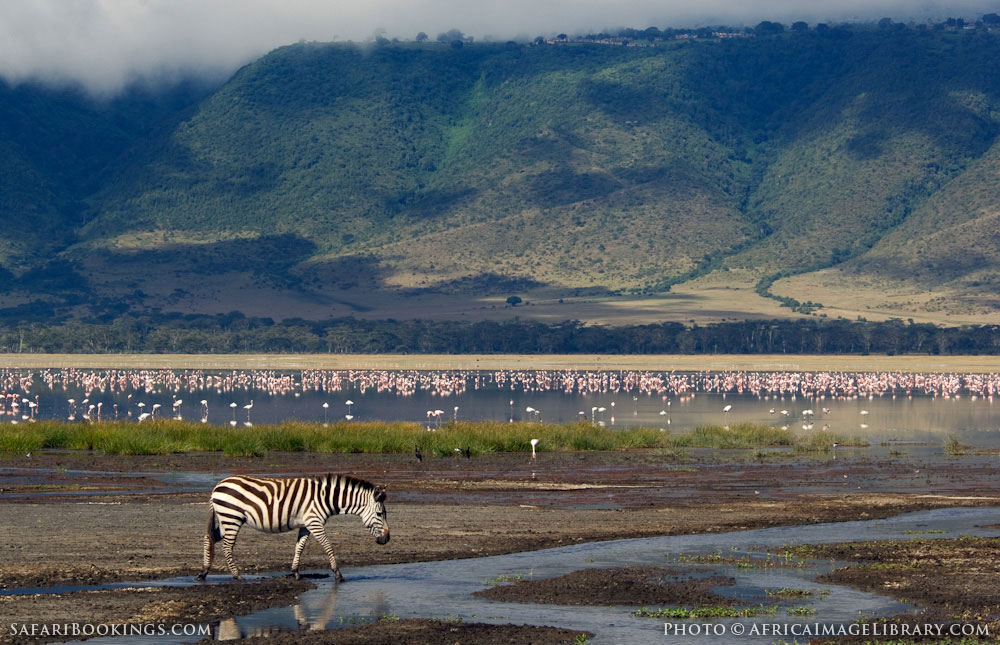
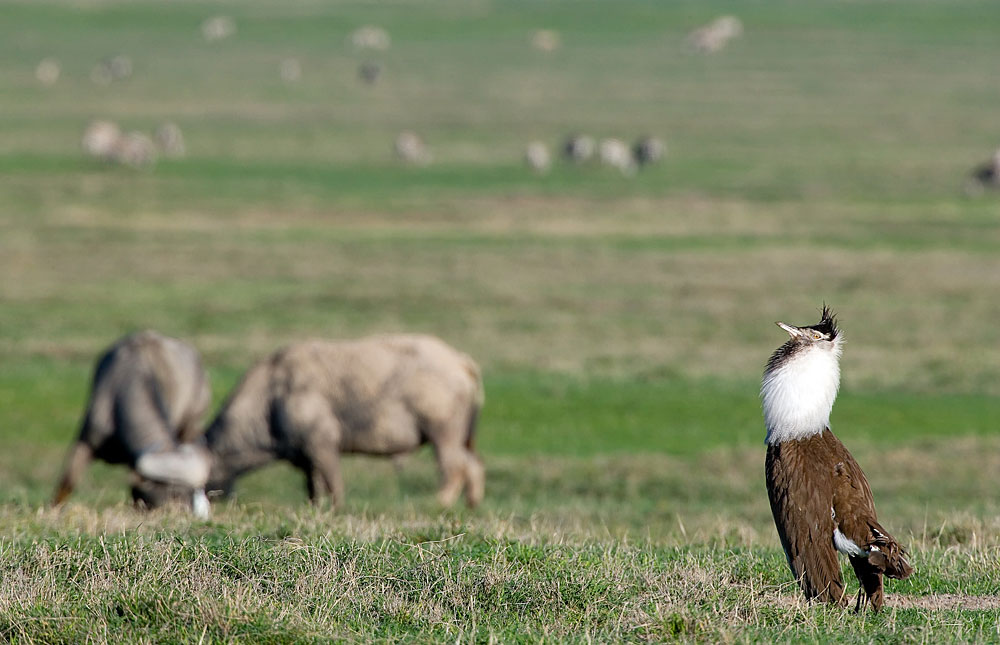
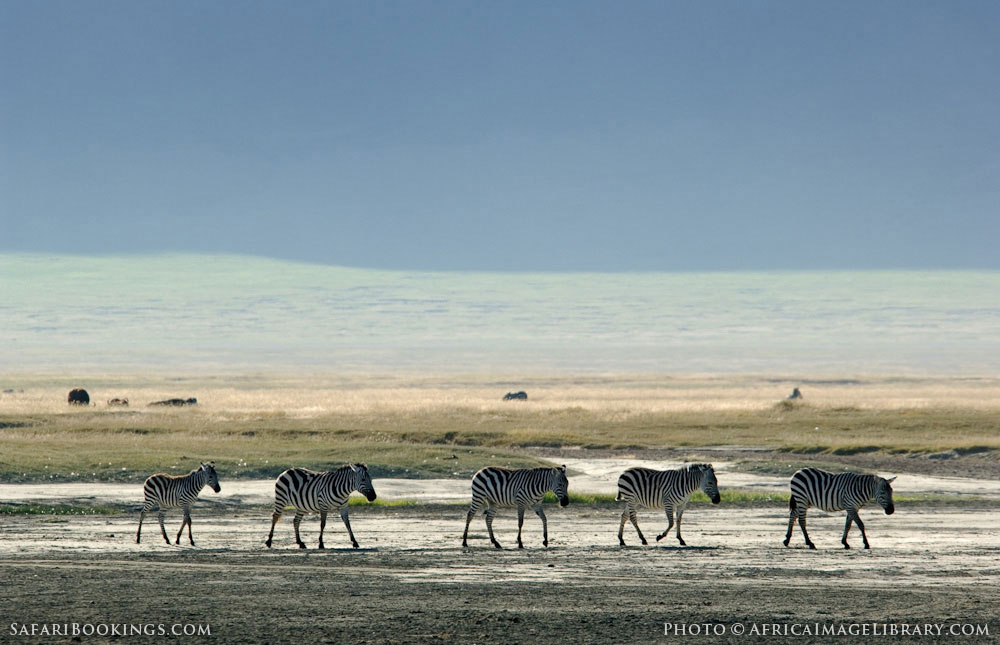
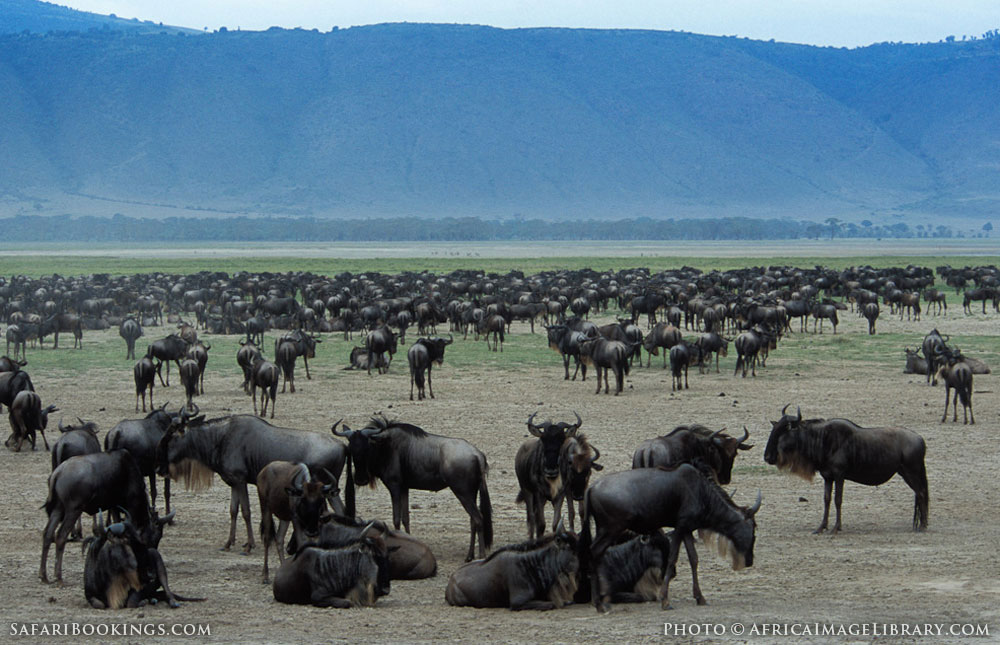
with healthy herds of wildebeest, buffalo and zebra. Other wildlife
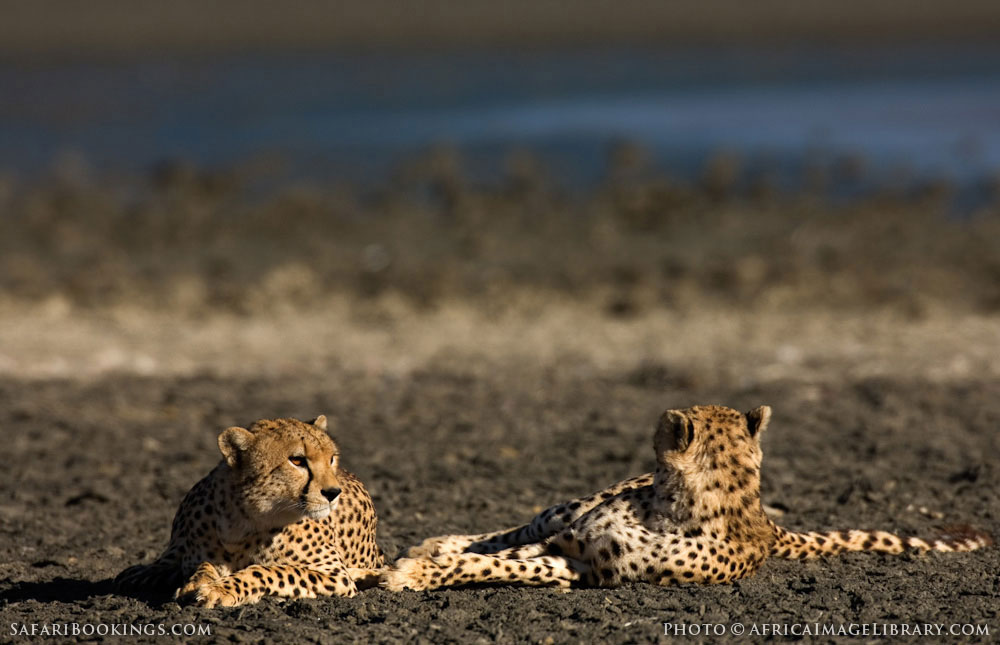
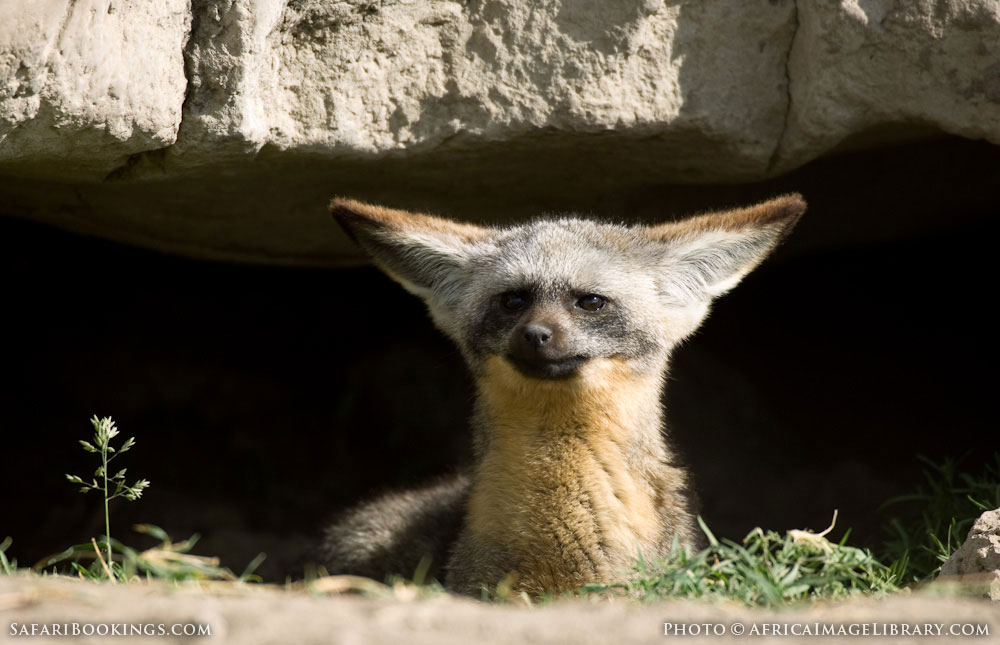
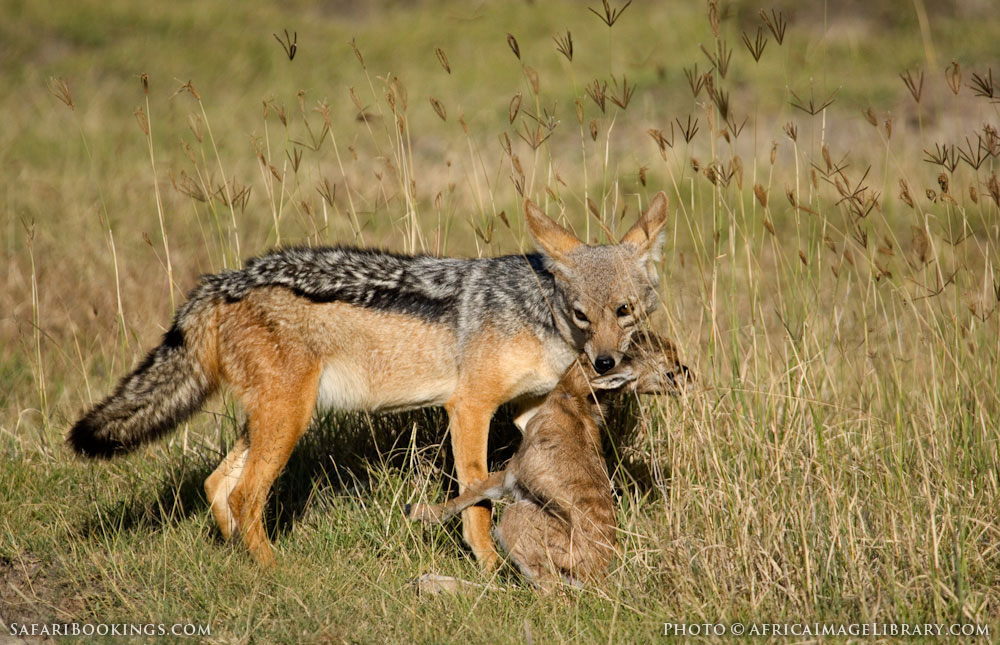
here includes serval cat, cheetah, jackal, Grant's and Thompson's
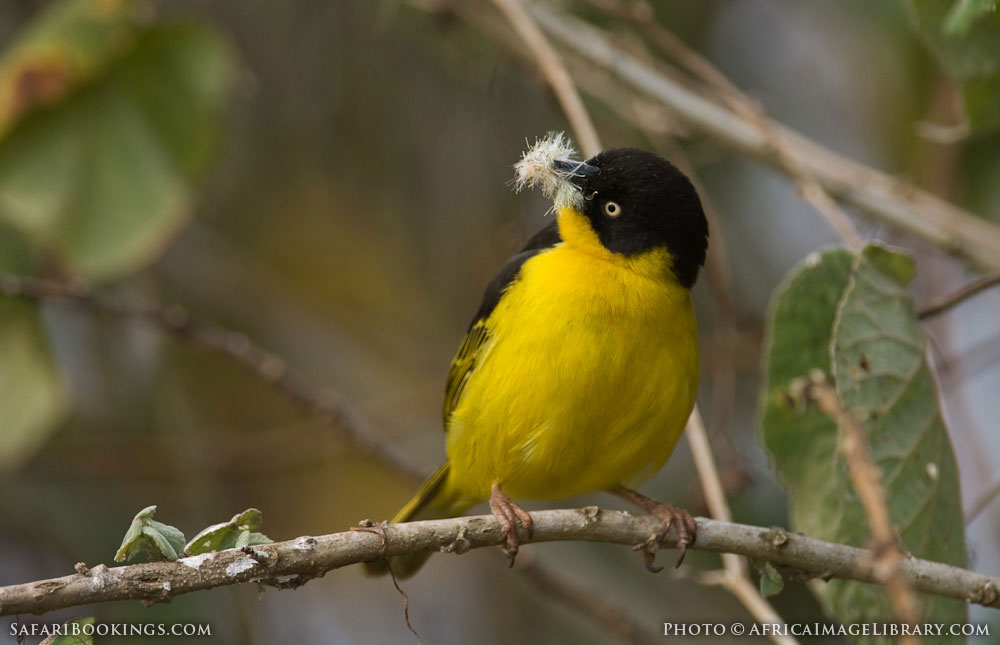
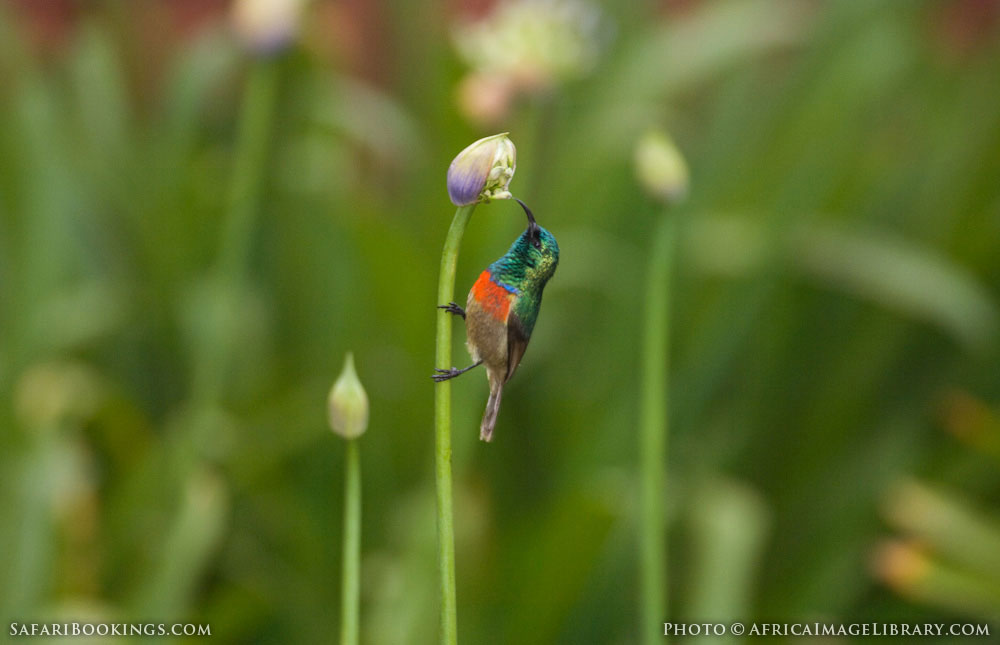
gazelle, flamingo and bat-eared foxes, as well as approximately 400
species of bird.
Ngorongoro Crater: the activities
Activities inside the Ngorongoro Crater itself are limited to game
driving; there are a couple of picnic spots in the park, but getting out
of the vehicle is strictly limited to these areas. However, a full
range of activities is on offer in the wider Ngorongoro Conservation
Area, including walking, trekking, excursions to Olduvai Gorge and
visiting the Masai and other tribes.
Ngorongoro Crater: when to go
Since the wildlife mainly stays in the crater all year round, there is
really no good or bad time to visit. However given that the crater
floor does get busy with vehicles, it can be more pleasant to visit
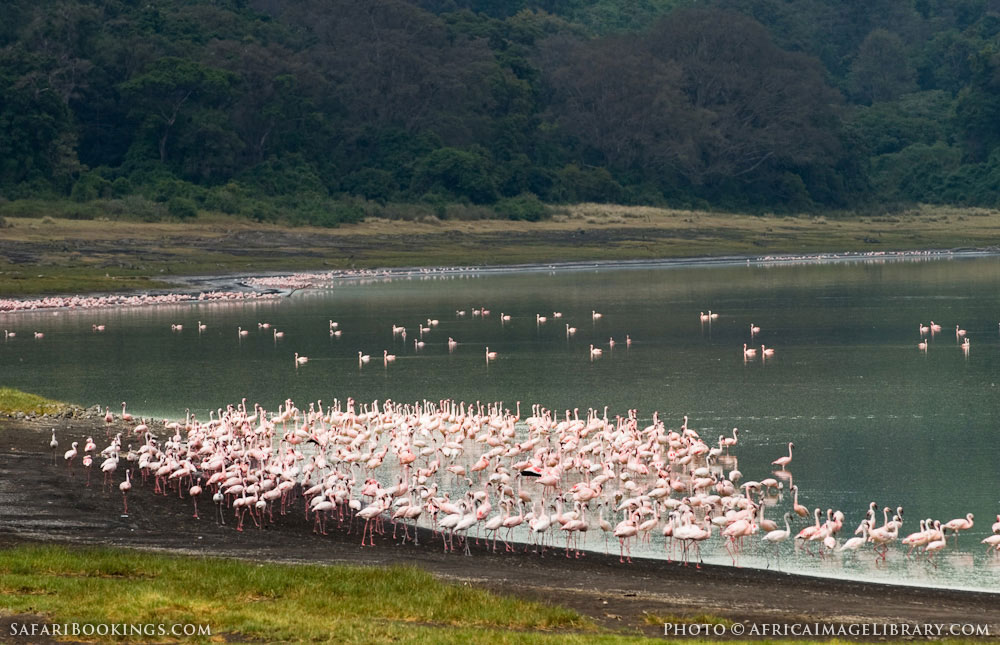
during low season. Higher water levels in Lake Magadi (in the centre of
the Crater) also result in higher concentrations of flamingos.
Whenever you visit to Ngorongoro, you are guaranteed excellent safari
action.
While we try and make our website as comprehensive as possible, if you
would like some more background information on the Ngorongoro
Conservation Area, or Tanzania in general, have a read through the Cadogan Guide to Tanzania and Zanzibar,
written by our director Annabel. The most recent edition was published
in 2005 so some of it might be slightly dated but generally it’s as
comprehensive as they come.
Why US is looking beyond dissidents on Cuban human rights
By Tara McKelveyBBC News White House Reporter in Havana
22 March 2016
From the section Latin America & Caribbean
Image copyrightReuters
On
Tuesday, US President Barack Obama met several prominent Cuban
dissidents, including Berta Soler, who is part of a group known as
Ladies in White, at the US embassy in Havana.
It was a dramatic moment and gave Mr Obama a chance to highlight the issue of international human rights in Cuba.
He has brought the subject up several times during his trip.
Cuban
President Raul Castro has responded by denying that Cuba has political
prisoners. Besides that, Castro says, Americans violate human rights of
people at Guantanamo and in other places.
Many Cubans agree with him.
"Give
back Guantanamo," said Albino Moldes, a Cuban-born photographer who was
waiting at the Havana airport on Sunday for President Obama to arrive.
"And then we talk."
President Obama and his aides said they are
happy to talk about problems in the US and in Cuba. But they will not
return control of the military base at Guantanamo to Cubans.
"We've
made it very clear that's not on the table," said Ben Rhodes, Obama's
deputy National Security Adviser, at a news conference in Havana on Monday
In other words, it's business as usual - for US and Cuban officials.
Over the weekend dozens of people were arrested at a demonstration staged by the Ladies in White, including Ms Soler.
And
another dissident, Elizardo Sanchez, was detained at Jose Marti airport
on the day a group of US journalists arrived. He was released shortly
afterwards. By the time the journalists got there, things looked calm -
as if nothing had happened.
Cuba experts said there is a reason for the arrests.Image copyrightGetty Images
"There's a string of people - the old guard - who
are not really thrilled about the opening," said Eric Olson, a director
at the Woodrow Wilson International Center in Washington, describing the
new relationship between the US and Cuba.
"How do you control
it? Some of it is done by exerting their power," Mr Olson said,
explaining these officials try to show that they are still in control by
arresting the activists.
At times, though, it seems like "shadow
boxing", a term that Mr Obama has used to describe the relationship
between the two countries.
You need to install Flash Player to play this content.
Media captionYoung Cubans: "We don't want a lot of McDonalds and Starbucks"Six sticking points to better relations - Guantanamo Bay, human rights and media freedoms are among the unresolved issues
In Pictures: Obama's trip to Cuba - The historic visit to Havana in photos
Internet access still restricted in Cuba - Only about 5% of Cubans have web access at home
US
officials tell me privately they knew beforehand that the activists
would be arrested. The activists themselves had told the Americans what
they planned to do - and that they would be arrested for it.
Still
Obama administration officials say things have improved, despite these
setbacks. Detentions for activists are shorter than they were in the
past. People talk on the streets openly, and they have better access to
the internet.
The history of US-Cuba relations has been
intricately intertwined with the story of human rights. For years
Americans have invested on average about $20m annually in a variety of
programmes in Cuba, according to a congressional staffer, including
those that support civil society.
Cuban officials portray the US
aid as a "regime-change programme", a sneaky way for Americans to
infiltrate Cuba and control its people.Image caption
A Cuban protesters is arrested last December
In a similar vein dissidents are cast as US-funded actors.
"The
Cuban government has been very effective in saying they're paid
mercenaries of the US," says the Brookings Institution's Ted Piccone,
who studies Latin America.
Obama administration officials have
been trying to soften these accusations by approaching the subject of
human rights differently. They try to promote freedom and democracy in a
more inclusive way, embracing civil society as a whole rather than
focusing on a small group of dissidents.
In a speech about Cuba
before Obama left for Havana, National Security Adviser Susan Rice used
the word "dissident" once - at the end of her remarks. She spoke instead
about activists and civil society.
It's an important
distinction, Mr Olson said, because the term "dissident" means "a very
clear set of 200 people", a group that includes Ms Soler and others who
are politically engaged and are arrested on a regular basisImage caption
Miriam Celeya listens to President Barack Obama during their meeting at the US embassy
"I think the administration would like to think more
broadly," he said. Instead of working only with dissidents, US
officials support those who work in non-governmental organisations,
journalism, as well as ordinary Cubans who are working for change.
(One
official says they use the terms "dissident" and "activists"
interchangeably, while another says Rice's speech underscores the point -
they'd rather talk about civil society than just dissidents. It shows
that even the people who work on US policy disagree about what Americans
should do to help Cubans.)
Still language isn't the most
important thing. The real issue, Mr Olson, said is freedom, democracy
and human rights for people in Cuba.
"Is that going to happen?" he asked.
The
matter will be decided not by US officials, though, but by Cubans
themselves. For them, it's a tricky - and long-term - project.
Media caption In a televised address, Mr Obama said he had come to ''extend the hand of friendship to the cuban people''
US
President Barack Obama has invoked "a future of hope" for Cuba in an
unprecedented live TV address delivered from the Grand Theatre in
Havana.
Mr Obama said he had come to Cuba "to bury the last remnants of the Cold War" after decades of conflict.
He told Cuban President Raul Castro that he did not need to fear a threat from the US nor from "the voice of the Cuban people".
Mr Obama is the first sitting president to visit Cuba in 88 years.
In
his keynote speech on the last day of his three-day visit to
Communist-run Cuba, Mr Obama said it was time for the United States and
Cuba to leave the past behind and make a "journey as friends and as
neighbours and as family, together" towards a brighter future.
He urged Cubans to "leave the ideological battles of the past
behind" and to define themselves not through their opposition to the US
but just as Cubans.
Image caption
Raul Castro (center) was in the audience listening to Mr Obama's speech
"For all the politics, people are people and Cubans are Cubans," he said.
He
said the time had come for US policy towards Cuba to change because it
had not worked and was outmoded, a remnant of the Cold War.
He also called for the lifting of the 54-year old US trade embargo against Cuba, a remark which was met by loud applause.
The embargo remains one of the main sticking points in US-Cuban relations but can only be lifted by the US Congress.
He
insisted that the United States would respect the two nations'
differences and would not attempt to impose changes on the communist-run
island.
But he also said he believed that citizens should be
free to speak their mind without fear and to choose their government in
free elections.
At the scene, Tara McKelvey, BBC News White House reporter
"I know the history, but refuse to be trapped by it," Mr Obama said
The speech in the theatre was vintage Obama - it had
a narrative, starting with the earlier, dark years of US-Cuban
relations that date back to the 1950s.
It also had personal
elements - he said he was born in the year of the Bay of Pigs, and that
afterwards the world nearly came to an end.
Finally it had
evocative language - "I know the history, but refuse to be trapped by
it" - and a few jokes. And it built up to his larger point, which was
his message for the Cuban people - choose democracy. It isn't perfect
but it's the best system there is.
He was a powerful speaker in the theatre, and he gave a speech that was eloquent and moving.
He said it was no secret that the Cuban and US governments disagreed on many issues.
Mr
Obama acknowledged that there were "flaws in the American system:
economic inequality, the death penalty and racial discrimination".
He
said those were just a few samples and that Raul Castro had "a much
longer list" of US shortcomings and had reminded President Obama of many
of them.
"But open debate is what allows us to get better," he said. "Democracy is the way to solve these problems," he added.
After
the speech, Mr Obama met in private a group of prominent Cuban
dissidents, the most controversial part of his itinerary in the eyes of
the Cuban government.
President Castro was visibly angered on Monday when a US reporter asked him about political prisoners held in Cuba.
More on Mr Obama's visit to Cuba
Media captionYoung Cubans: "We don't want a lot of McDonalds and Starbucks"
Six sticking points to better relations - Guantanamo Bay, human rights and media freedoms are among the unresolved issues Cuba's DIY economy - A new generation of Cuban entrepreneurs are launching private businesses Internet access still restricted in Cuba - Only about 5% of Cubans have web access at home
Not
accustomed to probing questions from the media, President Castro
challenged the reporter to give him a list of political prisoners and
denied Cuba was holding any.
Just hours before Mr Obama landed in
Havana on Sunday, Cuban security arrested dozens of members Ladies in
White, a group which campaigns for the release of political prisoners.
President Obama ended his three-day visit after joining President Castro at the Latinoamericano stadium in Havana.
The
two leaders observed a minute of silence for the victims of the attacks
in Brussels and watched an exhibition baseball game between the Cuban
national team and the Tampa Bay Rays, which won 4-1. Image caption
Baseball and diplomacy went hand in hand in Havana
From Havana, Mr Obama has travelled to Argentina.
His
presence will coincide with the 40th anniversary on Thursday of the
military coup that brought to power of the most brutal military regimes
in the region.
Some groups are planning protests because of the alleged support American governments gave to the military coup of 1976.
Do you sometimes wonder how on earth you will ever be able to reach the levels of those who are successful?
Do you think that's just going to be too hard and doesn't happen to 'people like you'? One thing's for sure...if you don't try and persist, and then try some more, you're never going to get anywhere, either in business or in life in general. It's a great idea to take inspiration from those who have already achieved the dizzy heights you dream of; after all, they've already 'been there and done that'.
Learn from their mistakes, study their lives, emulate their successes
and before you know it, you will begin to think and act in the same way. Remember the Law of Attraction and the importance of visualization. Make that mood board, add to it every day, study it and FEEL what it's going to be like when you reach your dreams. You never know, those who are your idols could end up becoming your followers or even your rivals! Have a wonderful evening fellow entrepreneurs.






 .
.


 e caption


